Song Meaning
The lyrics paint a vivid picture of a heart in turmoil, desperately trying to process a painful emotional reality. The opening lines immediately establish a direct address to the "Coração" (heart), questioning its rapid beating. This isn't a beat of excitement, but one of distress, as the narrator insists the object of affection "never forgot you." The contrast is stark: the heart races, yet the perceived cause of its distress is someone who hasn't moved on. This sets up a central conflict between the body's physical reaction and the narrator's interpretation of the situation.
This internal conflict escalates as the narrator observes the perceived indifference of the person they are longing for. The lyrics state, "Don't you see that woman / Heart has no even / Doesn't know what it is to cry." This suggests a profound lack of empathy or emotional response from the other person, making the heart's suffering seem futile and unacknowledged. The repeated plea, "Beat slower, beat slower," becomes a desperate attempt to regain control, to quell the physical manifestation of pain that seems to be met with a void.
The song then shifts to a more abstract plea, asking the heart to "Open the door of saudade / And let illusion enter." Saudade, a deep Portuguese word for longing or melancholy, is invoked, suggesting a complex emotional state. The narrator seems to be asking the heart to embrace this feeling, perhaps as a way to process it, or even to allow a false hope (illusion) to temporarily fill the void left by the other's perceived coldness. This is a fascinating turn, where the narrator encourages the heart to engage with its own pain and the deceptive comfort of illusion.
The final stanza delivers a poignant conclusion about happiness and love. "Happiness is a song for two voices / Happiness wasn't made for just one." This establishes a clear ideal of shared joy. The subsequent lines, "If it's not like that, love will be, heart / Broken dream into dust / And nothing more," directly link the absence of this shared experience to the inevitable decay of love into mere disappointment. The effectiveness lies in this stark contrast between the ideal of shared happiness and the harsh reality of love's potential to disintegrate when that reciprocity is missing, leaving only "broken dream into dust."
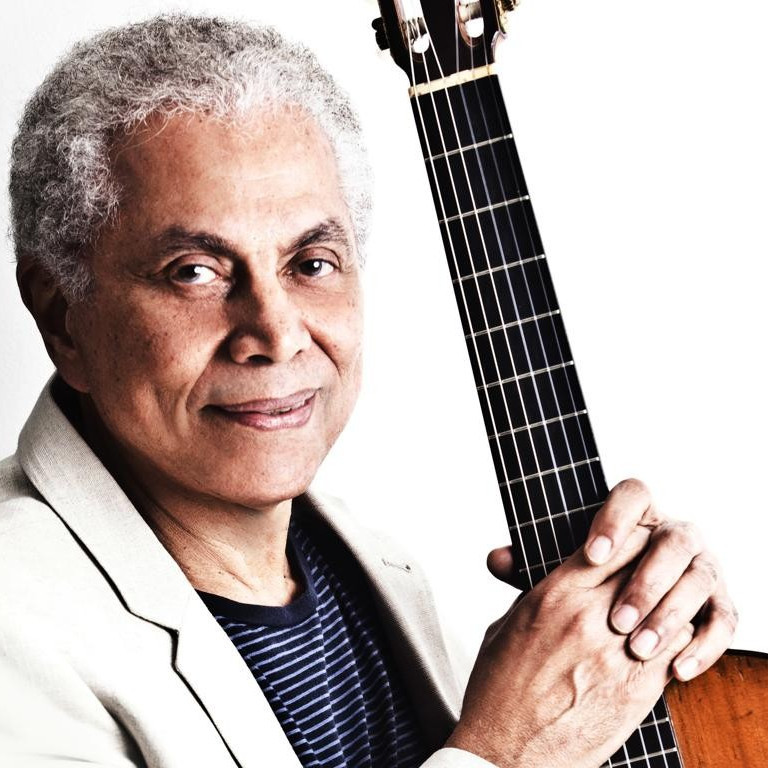
 View Artist