Song Meaning
The narrator reflects on a past relationship that ended with a significant emotional blow, described as their 'castle crumbling.' Despite lingering feelings, a sense of profound loneliness and betrayal has led to a hardened resolve. The immediate aftermath was marked by deep sorrow and isolation, a period the narrator clearly wants to leave behind.
The core tension lies between the memory of love and the painful lessons learned from a partner's broken promises. The narrator acknowledges missing intimacy ('saudades de um beijo') but prioritizes self-preservation, stating 'Minha vida é melhor assim.' This isn't about forgetting love, but about waiting for a healthier version of it, one not tainted by past deception.
The lyrics powerfully convey a shift from hopeful waiting to guarded finality. The phrase 'pra não esperar seu perdão' highlights a proactive stance against further hurt, leading to the declaration 'trago o peito fechado.' This closing off is a defense mechanism, a way to ensure peace after being 'enganado' (deceived) by past 'promessas' (promises).
Ultimately, the effectiveness comes from the stark contrast between past longing and present determination. The repeated idea of 'não voltar atrás' (not going back) solidifies the narrator's decision. The closing lines, 'Nosso amor é passado / Logo é caso encerrado,' deliver a definitive, almost clinical, end to the relationship, emphasizing that the emotional damage has led to an irreversible conclusion.
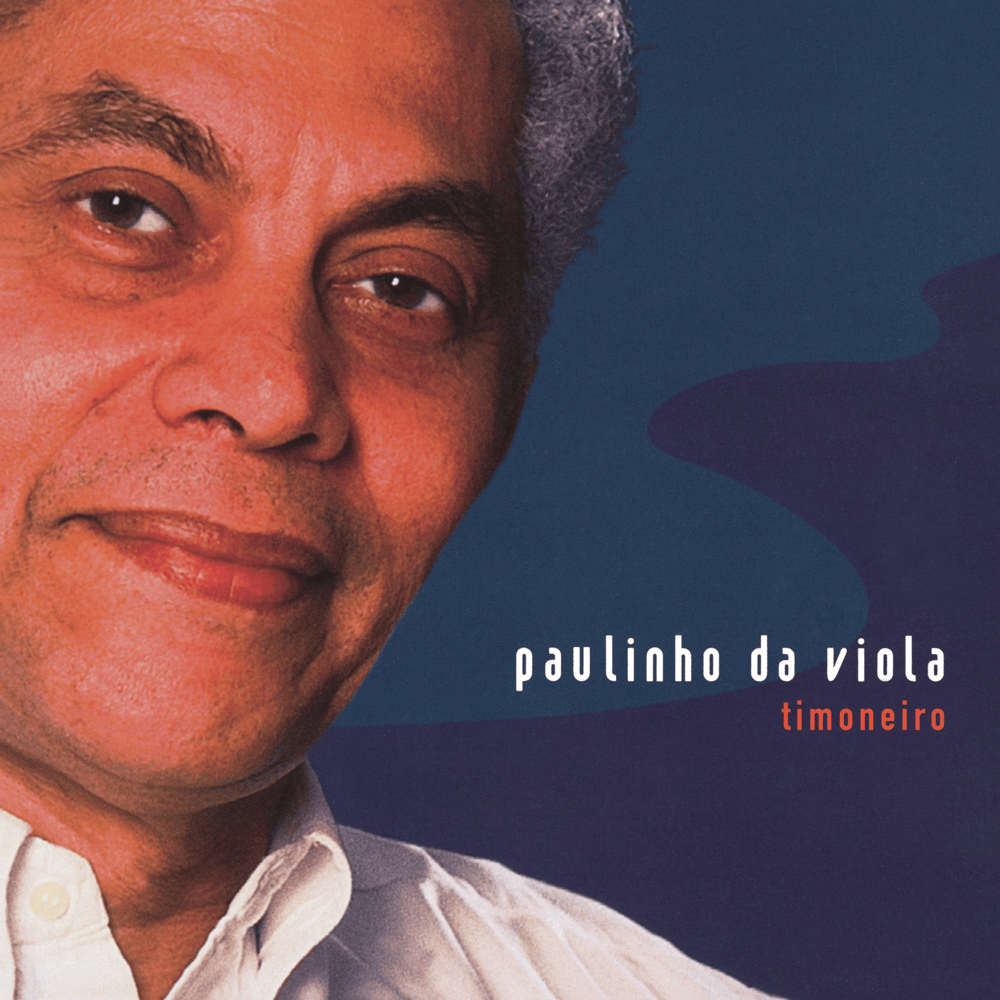
 View Artist