Song Meaning
The lyrics paint a picture of someone living an impossibly lavish lifestyle, complete with a mansion, jewels, and luxury cars, despite having no apparent inheritance or family ties. This sudden, unexplained wealth sparks suspicion and public outcry, crystallizing into a repeated, pointed question: "Onde está a honestidade?" (Where is the honesty?). The narrator highlights the stark contrast between the subject's opulent existence and the mysterious origins of their fortune, suggesting a disconnect from any conventional means of acquiring such riches.
The central tension lies in the public's growing suspicion and moral judgment directed at this individual's unexplained prosperity. The lyrics describe how this person seemingly finds money and even happiness "na rua diariamente" (on the street daily), alongside expensive items, further fueling the narrative that their wealth is not earned but perhaps stumbled upon or, more implicitly, acquired through dishonest means. This perceived ease and luck, contrasted with the common struggle for financial security, breeds "maldade" (malice) and doubt among the populace.
The most striking craft element is the recurring, almost chant-like refrain of "Onde está a honestidade?" It acts as a persistent accusation, a collective voice of the people demanding an explanation for the subject's unearned affluence. The imagery of the subject as a "Vassoura dos salões da sociedade" (Broom of society's halls) is particularly potent, suggesting someone who sweeps away or conceals whatever they encounter, perhaps even their own questionable past, while simultaneously engaging in superficial acts of charity "Em nome de qualquer defunto ausente" (In the name of any absent deceased), further masking their true nature.
These lyrics resonate because they tap into a common frustration with perceived corruption and the unfair distribution of wealth. The writing effectively uses pointed questions and vivid, albeit critical, imagery to create a sense of moral unease. The direct, accusatory tone, amplified by the repetitive questioning, forces the listener to confront the uncomfortable reality of wealth whose origins are opaque and seemingly undeserved, making the demand for honesty feel both personal and societal.
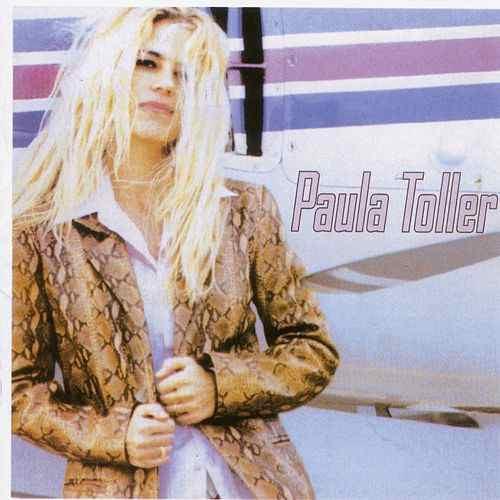
 View Artist