Song Meaning
Paula Toller's "1800 Colinas" is a masterclass in conveying longing through stark simplicity. The lyrics, spare as they are, paint a vivid picture of emotional exhaustion. The opening lines, detailing a climb over "1800 hills," immediately establish a sense of relentless, almost Sisyphean effort. This isn't just a casual stroll; it's an arduous journey undertaken in pursuit of a love that remains frustratingly out of reach. The repetition of the desire to find her love, underscored by the plea to God, emphasizes the desperation driving this pilgrimage. The saudade—that uniquely Portuguese-Brazilian flavor of melancholic longing—isn't just present; it's actively threatening to consume her. This sets the stage for understanding the profound sense of heartbreak that permeates the song.
Toller doesn't shy away from laying bare the source of her pain. The admission of having "loved someone who loves no one" is a gut punch, a universally relatable experience distilled into its most essential form. This isn't a complex, tangled web of relationship woes; it's a fundamental mismatch, a one-sided devotion that leaves the singer with nothing but pain. The contrast between the desire for peace ("sossego") and the reality of heartache further amplifies the emotional weight of the lyrics. The act of climbing those 1800 hills becomes a metaphor for the lengths one will go to, the sacrifices one will make, in the name of love, even when that love is ultimately unrequited.
Ultimately, "1800 Colinas" transcends its literal narrative. It's about the universal search for connection, the vulnerability inherent in opening oneself to love, and the crushing disappointment when that love isn't reciprocated. The song's power lies in its ability to evoke these complex emotions with remarkable economy. Toller uses the imagery of the arduous climb not just as a physical act, but as a representation of the emotional labor involved in seeking love and the subsequent pain of unmet expectations. The song meaning, therefore, resides not just in the words themselves, but in the deep well of human experience they tap into.
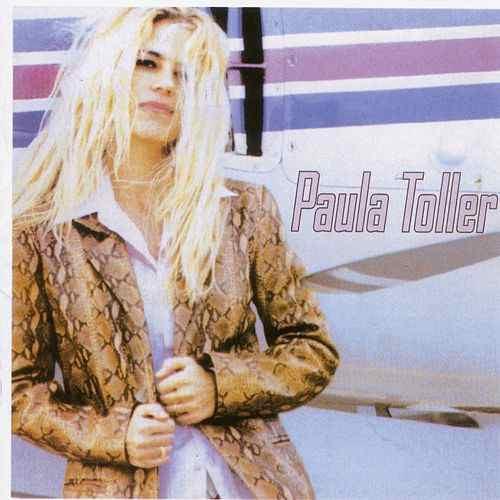
 View Artist