Song Meaning
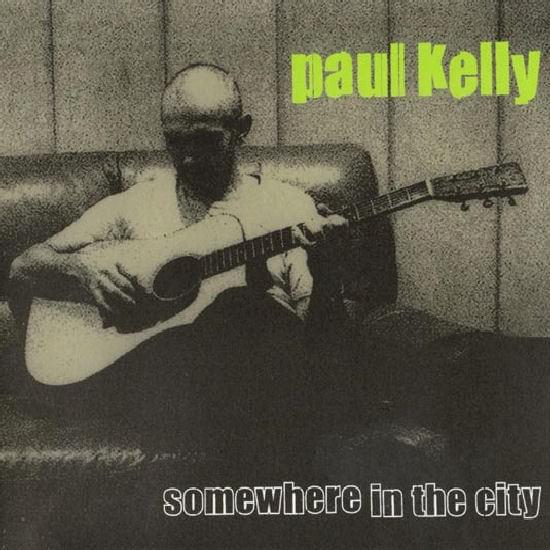
Paul Kelly's "Somewhere in the City" isn't just a song; it's a masterclass in urban loneliness, a portrait painted with the broad strokes of longing and the fine details of obsessive thought. The track traps you in the narrator's head, a space dominated by the absent 'she' and the crushing weight of the city's indifference. He's not just missing her; he's haunted by the infinite possibilities of her absence, each one a tiny, agonizing what-if. The repeated line, 'She's somewhere in the city,' acts as a sonic echo chamber, amplifying his anxiety and helplessness. It's a mantra of despair, less a search than a surrender to the vastness swallowing him whole. The phrase also hints to the universal experience of a love lost in the modern world.
Kelly cleverly uses the city itself as a character, a sprawling, uncaring backdrop to the narrator's internal drama. It's 'this great big city' that both holds her captive and offers her endless escape routes. The city’s nightlife, restaurants, and bars aren't presented as sources of joy, but as taunts, reminders of the good time 'someone' could be having while he's stuck in this spiral. The mention of wine in her hand suggests a casualness, a freedom he clearly doesn't possess. This isn't a tale of simple heartbreak; it's a study in the powerlessness that comes with loving someone who exists just beyond your grasp.
The undercurrent of darkness, that hint of 'committing a crime,' is what elevates the song beyond a mere lovesick ballad. It's not a literal threat, but an expression of the narrator's unraveling. His frustration boils over into a dark fantasy, a desperate attempt to exert some control over a situation where he has none. The line 'I sure worry about her soul' is particularly telling; it suggests a deeper concern than just romantic longing, hinting at a troubled or self-destructive aspect to the woman he desires. This adds a layer of complexity, turning the song into a meditation on the anxieties of loving someone who may be lost, not just to him, but to themselves.
 View Artist