Song Meaning
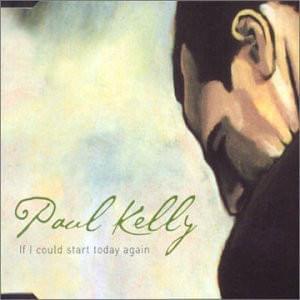
Paul Kelly's "If I Could Start Today Again" is a raw, almost desperate plea for a second chance, a do-over button for a day gone terribly wrong. The song meaning isn't buried in complex metaphor; it's laid bare in the gut-wrenching simplicity of regret. He's not asking to rewrite his entire life, just one single day, a mere twenty-four hours to unsay the words and undo the actions that now haunt him. The opening lines, referencing the futility of even biblical figures to reverse time, immediately sets the tone: this is a universally felt, primal human desire crashing against the unyielding wall of reality. The regret is palpable, less about grand moral failing and more about the everyday cruelties we inflict, perhaps unknowingly, in moments of anger or weakness. It’s the kind of regret that festers, replaying endlessly in the mind.
The lyrics hint at a specific incident, a 'thing I did,' 'things I said,' shrouded in the 'red mist' – a classic description of losing control in a fit of rage. Kelly's vulnerability shines through as he acknowledges his flaws. He's not the 'milk and honey kind,' suggesting an awareness of his own capacity for darkness. This isn't a plea for absolution from a saint, but a desperate wish from a flawed human being wrestling with his own imperfections. The repetition of the pre-chorus emphasizes the obsessive nature of regret, the way a single day can become an all-consuming obsession. The small details – 'every minute, every hour' – highlight the excruciating specificity of the memory.
Ultimately, "If I Could Start Today Again" is a poignant meditation on the burden of regret and the yearning for redemption. The repeated chorus, with its increasingly desperate tone, underscores the futility of the wish. Kelly knows his prayer is 'in vain,' yet he clings to the fleeting hope of a fresh start. The song's power lies in its universality. We've all had those days, those moments we wish we could erase. Kelly's song doesn’t offer easy answers or false hope, but instead provides a stark and honest portrait of the human condition, reminding us of our shared vulnerability and the enduring power of regret.
 View Artist