Song Meaning
The lyrics paint a stark picture of inherited cycles, beginning with a narrator observing someone sleeping, a quiet, almost clandestine act described as "going about my father's business." This phrase, repeated with chilling effect, suggests a predetermined path or a duty being fulfilled, marked by "doing my father's time." The unsettling refrain, "What's done to me I'll do to mine," hints at a legacy of actions, perhaps negative, being passed down and perpetuated.
The narrative then shifts to a personal experience of abandonment: "I woke up one summer morning—he was gone." This absence is immediately juxtaposed with the arrival of a new generation, "breaking for my son." The narrator finds themselves in the same position their father was, now enacting the same cycle of "father's business" and "father's time," implying a continuation of the pattern, even as they acknowledge its impact.
The central tension lies in the narrator's plea for their child to maintain agency and authenticity: "Know them by what they do / Let no one speak for you." This is followed by a desperate, repeated cry of "Forgive me, forgive me," suggesting a deep regret for the inherited burdens or the actions they are compelled to repeat. The lyrics seem to grapple with the weight of past experiences and the fear of passing them on, creating a profound sense of melancholic resignation.
The final verse introduces the concept of "war" as a metaphor for prolonged conflict or struggle, which "lasts forever." The hope for peace, "when we sign the treaty," is tied to the narrator's return home, but the repetition of "What's done to me I'll do to mine" underscores the inescapable nature of the cycle. The craft here is in the relentless repetition of the core phrases, which transforms them from simple statements into a grim, almost incantatory declaration of fate, highlighting the difficulty of breaking free from inherited patterns.
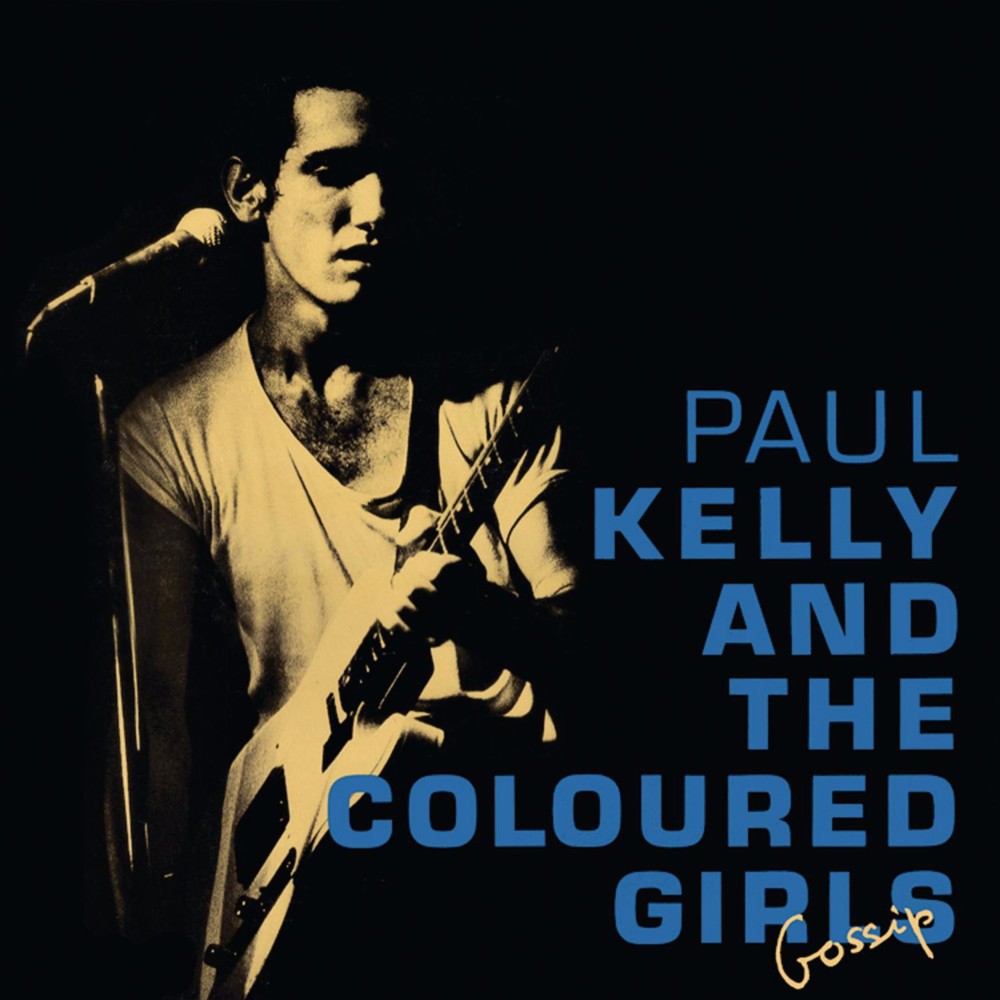
 View Artist