Song Meaning
Paul Anka's "Time to Cry" isn't a subtle exploration of grief; it’s a primal scream set to a 60s pop melody. The song meaning is brutally simple: heartbreak demands tears. Anka doesn't offer complex metaphors or nuanced perspectives, but rather a raw, almost prescriptive assertion of emotional release. The circularity of the lyrics – "When somebody leaves you, that's the time to cry" repeated like a mantra – reinforces the idea that sadness is not something to be intellectualized or avoided, but something to be experienced fully. It's a permission slip to wallow, a sonic shoulder shrug that acknowledges the universality of heartbreak.
The emotional core of "Time to Cry" lies in its stark simplicity. There's no attempt to mask the pain with bravado or clever wordplay. The lyrics analysis reveals a direct connection between loss and lament. The lines, "Happiness is what I long for / Loneliness is why I cry," articulate a fundamental human desire and the pain of its absence. The song’s power stems from its unadorned honesty, tapping into the vulnerability we all share when confronted with loss. Anka isn’t just singing about sadness; he's embodying it, offering a sonic space for listeners to do the same.
Ultimately, "Time to Cry" functions as both a lament and a release. While the lyrics themselves offer no path toward healing, the act of acknowledging the pain, of giving oneself permission to cry, becomes cathartic. The song doesn’t promise a solution, but instead offers a shared experience of sorrow. It's a reminder that heartbreak, however isolating it may feel, is a universal human experience. The repetition of the central theme, the unwavering focus on the act of crying, transforms the song into a communal expression of grief, a shared moment of vulnerability in the face of loss.
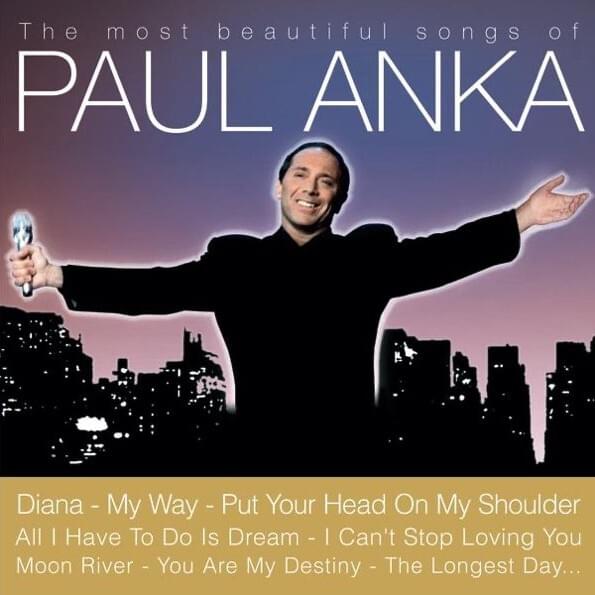
 View Artist