Song Meaning
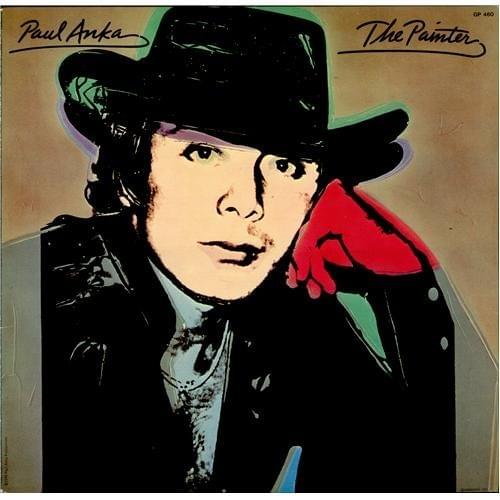
Paul Anka's "The Painter" isn't about brushstrokes on canvas; it's a stark portrait of the artist's soul, laid bare by the act of creation itself. The lyrics delve into the inherent paradox of artistic expression: the simultaneous pursuit of freedom and the isolating nature of that quest. Anka paints a picture of a man whose lifeblood is poured onto the walls of his art, yet he remains tragically unseen, his true worth unrecognized until long after he's gone. The opening lines establish this Sisyphean struggle, the painter forever caught in the cycle of creation and potential judgment. Will he rise or fall? The question hangs heavy.
The "humble life" the painter leads is marked by a profound disconnect. He toils in obscurity, seemingly oblivious to the "price they give," which can be interpreted as both the monetary compensation and the societal value placed on his work. However, the core of the song meaning lies in the understanding that the true cost is far greater: "Another part of his soul upon a wall." Each creation extracts a piece of the artist's essence, leaving him depleted yet driven to continue. This internal conflict is further amplified by the chorus, likening the painter to a "lonely soldier" facing "foreign shores of empty spaces." The battlefield becomes the canvas, and the enemy is the artist's own self-doubt and the crushing weight of isolation.
The latter half of the song reinforces the theme of unrecognized genius. "Deeper than the eye can see, another man's philosophy," suggests that the artist's work contains profound insights that are largely ignored during his lifetime. Only in death, "when he dies and on that day, the sky's as high the price they pay," will the world recognize the true value of his contribution. The repetition of "While he lives the price they give is small" serves as a poignant reminder of the artist's enduring struggle for validation, a struggle that transcends the specific medium of painting and speaks to the universal plight of those who create from the depths of their being.
 View Artist