Song Meaning
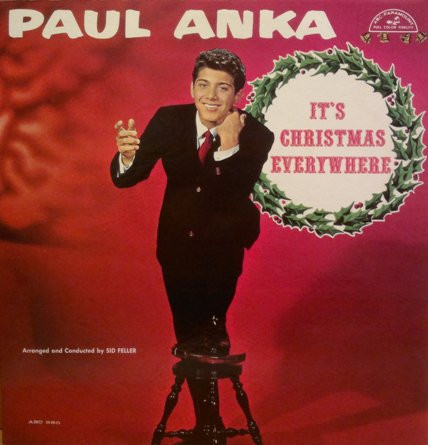
{"song_id": 10769634, "meaning": "Paul Anka's rendition of \"Silent Night\" isn't merely a Christmas carol; it's a carefully constructed emotional landscape. The song meaning, at its core, revolves around the intertwined themes of peace, divine love, and the promise of salvation embodied by the birth of Jesus. The opening verses paint a picture of tranquil stillness, a world holding its breath in anticipation of a momentous event. This isn't just any night; it's a 'holy night,' a phrase repeated as a mantra to emphasize its sacredness. The 'lovely boy-child with curly hair' is both innocent and imbued with immense power, a duality that lies at the heart of Christian theology. The lyrics subtly shift from describing the scene to articulating the theological implications.
The second verse introduces the concept of divine joy ('God's Son laughs, o how bright'), suggesting that this birth is not a somber event but a cause for celebration. The 'dawn of salvation' is presented not as a future event but as something imminent, drawing near with each passing moment. The subsequent verses delve deeper into the transformative power of this birth, emphasizing peace, grace, and the embrace of humanity. The lyrics explicitly state that Jesus, 'as man on this earth,' brings 'peace tonight,' suggesting that the divine has entered the human realm to offer solace and redemption. This brotherly embrace extends to 'all the peoples on earth,' underscoring the universality of the Christian message.
The latter part of the song amplifies the theme of hope and fulfillment. 'Long we hoped that He might / As our Lord, free us of wrath' speaks to the longing for deliverance that has persisted 'since times of our fathers.' This historical context adds weight to the moment, portraying it as the culmination of generations of yearning. The final verse highlights the shepherds as the first witnesses, their humble status emphasizing the egalitarian nature of God's grace. The 'angelic Hallelujah' spreading 'everywhere, both near and far,' transforms the silent night into a moment of resounding proclamation, completing the song's journey from quiet anticipation to joyous revelation. Anka’s interpretation, like the carol itself, thus becomes a powerful meditation on faith, hope, and the enduring promise of peace on Earth."}
 View Artist