Song Meaning
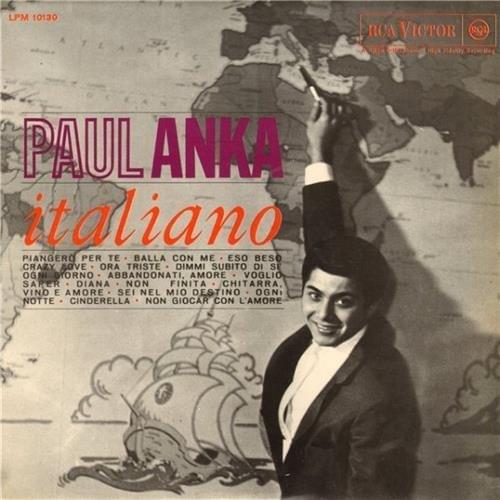
Paul Anka's "Ora Triste" isn't just a song; it's a distilled shot of Italian melodrama, a miniature opera of heartbreak served neat. The lyrics, simple yet devastating, paint a picture of a love affair teetering on the brink, the final moments stretched out in agonizing slow motion. The recurring phrase, "Sì, è un'ora triste" (Yes, it's a sad hour), acts as a mournful refrain, anchoring the listener in the present moment of loss while hinting at the eternity of sorrow to come. The song meaning resides in this tension between the immediate pain and the looming emptiness. Anka masterfully captures the feeling of helplessness that accompanies the end of a relationship, that moment where words fail and only raw emotion remains. The plea, "Baciami teneramente, Oh, stringimi e non parlar" (Kiss me tenderly, Oh, hold me and don't speak), underscores the desire to freeze time, to prolong the connection even as it slips away. It's a primal scream disguised as a tender ballad.
From a psychological perspective, "Ora Triste" taps into our deepest fears of abandonment and the inherent human need for connection. The singer's desire to "morir così con te" (die like this with you) might seem extreme, but it reflects the overwhelming despair that can accompany profound loss. This isn't necessarily a literal death wish, but rather a metaphorical one – a desire to escape the pain of separation by ceasing to exist in a world without the beloved. The lyrics analysis reveals a vulnerability that is both captivating and unsettling. The song acknowledges the irrationality of grief, the way it can warp our perceptions and lead us to make desperate pleas.
Ultimately, the power of "Ora Triste" lies in its unflinching portrayal of heartbreak. Paul Anka doesn't offer any easy answers or platitudes; instead, he immerses the listener in the raw, unfiltered emotion of a love affair's demise. The repeated declarations of eternal sorrow, "Per sempre io piangerò" (Forever I will cry), resonate because they speak to the enduring impact of lost love. It's a song for those who have known the exquisite pain of saying goodbye, a reminder that even in the darkest hours, there is a strange beauty to be found in the shared experience of human suffering.
 View Artist