Song Meaning
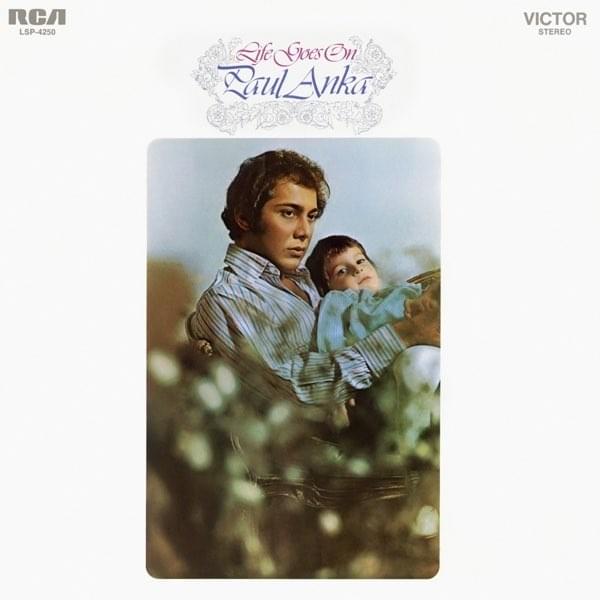
Paul Anka's "Life Goes On" isn't a jubilant anthem of resilience, but a stark portrait of quiet desperation masked by routine. The opening paints a picture of someone trapped in introspection, a prisoner of their own mind, "feet upon a chair," lost in nervous habits. The details – "crooked wall, the dusty blinds, cracked on the floors" – aren't merely descriptive; they're external manifestations of an internal decay, a world mirroring the subject's fractured state. The recurring line, "It's a lonely avenue and life goes on," serves as a bleak mantra, acknowledging the relentless march of time even as the individual remains stagnant, unable to engage fully with the world. It's the existential dread of Sisyphus, but instead of a boulder, it's the crushing weight of everyday existence.
The lyrics delve deeper into the protagonist's detachment. Food becomes a meaningless exercise, a half-hearted attempt at sustenance. The back of a cereal box offers more stimulation than genuine connection, highlighting the pervasive sense of emptiness. The admission that "The world and I are best friends, It is just that we don't talk" is particularly cutting. It's a relationship defined by avoidance, a conscious decision to remain on the periphery. The repeated refrain, "Life Goes On" becomes less an affirmation and more a resigned sigh, a recognition that the world continues its trajectory regardless of the individual's internal turmoil.
Perhaps the most poignant lines address the protagonist's relationship with love: "Love and I around the outs, We just don't get along / I know the words, I've heard the tone, I just can't sing the song." It's not a lack of knowledge, but a profound inability to embody the emotion. The words are there, the understanding exists intellectually, but the capacity for genuine connection is absent. This inability to "sing the song" of love underscores the central theme of alienation, the feeling of being forever on the outside looking in, watching life unfold without truly participating. "Life Goes On" then, is not a celebration, but an observation of the painful truth that time's passage does not guarantee healing or connection; it simply continues, leaving some behind in its wake.
 View Artist