Song Meaning
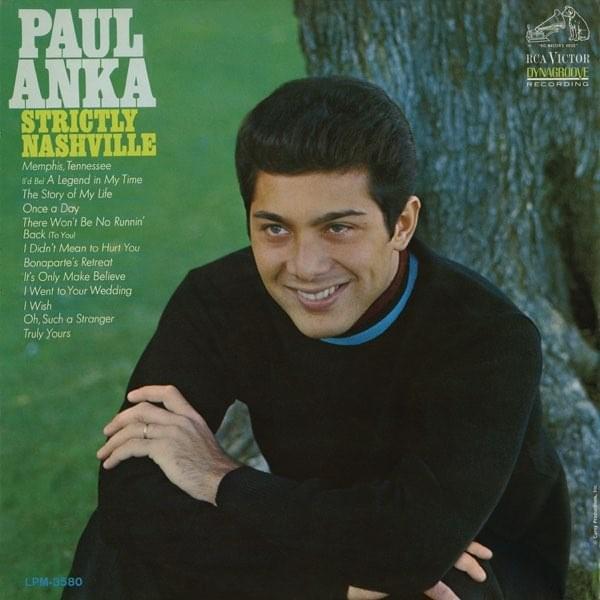
Paul Anka's rendition of "Doll Parts" strips away the grunge-era angst of the original, revealing a stark vulnerability beneath the surface. What remains is a raw, almost desperate plea for reciprocated affection, painting a portrait of a lover caught in a cycle of idealized devotion and painful self-awareness. The lyrics themselves are deceptively simple, built upon repetition and a limited emotional palette, which amplifies the central theme: the chasm between perceived reality and inner truth. The repeated phrase "make believe" acts as a haunting refrain, acknowledging the performative aspect of love, the construction of an image for public consumption that masks a deeper, unfulfilled yearning. Anka's interpretation highlights the inherent tension between the desire for authentic connection and the fear of rejection, a fear so profound that it necessitates a retreat into fantasy.
At its core, the song meaning revolves around the psychological concept of idealization. The speaker elevates the object of their affection to an almost godlike status, projecting onto them a perfection that inevitably clashes with reality. Phrases like "My one and only prayer," "My life I'd give for you," and "You rule my very soul" illustrate this extreme level of devotion, bordering on obsession. This idealization serves as a defense mechanism, shielding the speaker from the potential pain of acknowledging the flaws and imperfections of their beloved – and, perhaps, their own perceived inadequacies. By placing the loved one on a pedestal, the speaker avoids confronting the possibility that their feelings might not be returned in kind.
The repetition of phrases like "Someday you'll care for me" underscores the underlying anxiety and insecurity that fuels this dynamic. It's a prayer whispered into the void, a hope clinging to the fragile possibility of future affection. The phrase "Doll Parts" itself, though not explicitly present in Anka's lyrics, resonates thematically. It suggests a fragmented sense of self, a feeling of being incomplete or broken without the validation of the other. The speaker offers themselves in pieces – "My heart, a wedding ring / My all, my everything" – hoping to assemble a whole through the act of giving. Ultimately, Anka’s stripped-down rendition exposes the song's heart: a poignant exploration of the lengths to which we go to seek love and acceptance, even when it means sacrificing our own sense of self.
 View Artist