Song Meaning
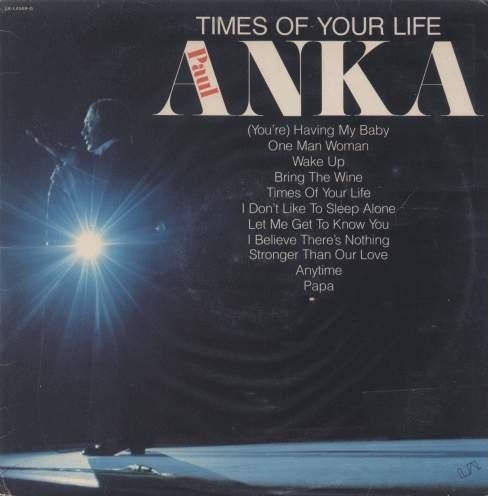
Paul Anka's "I Don't Like to Sleep Alone" isn't just a plea for companionship; it's a raw, vulnerable exploration of human connection and the primal fear of isolation. The song taps into a universal desire – the need to be seen, touched, and understood. Anka distills this yearning into its most basic form: a shared bed, a whispered conversation in the dark, a physical presence that wards off the encroaching darkness of loneliness.
While the surface reading is a romantic one, the lyrics hint at a deeper psychological undercurrent. The lines about 'leaving all the worries all behind' and 'loneliness can get you down' suggest that the fear of sleeping alone stems from a fear of confronting one's own thoughts and anxieties in the quiet solitude of night. The repeated refrain, 'I don't like to sleep alone,' isn't merely a preference; it's an admission of vulnerability, a recognition of our inherent social nature. The interweaving of romantic and platonic love through references to marriage and then Bill Withers' "Lean on Me" expands the idea; connection in itself is the antidote.
Ultimately, "I Don't Like to Sleep Alone" resonates because it acknowledges a fundamental truth about the human condition. We are social creatures, hardwired for connection. Whether it's the comfort of a lover, the support of a friend, or the simple knowledge that we are not alone in our struggles, human contact is essential for our well-being. Anka's song is a reminder that seeking solace in others is not a sign of weakness, but a testament to our shared humanity. He dares to admit a fundamental need for connection, turning what some might perceive as dependency into a strength.
 View Artist