Song Meaning
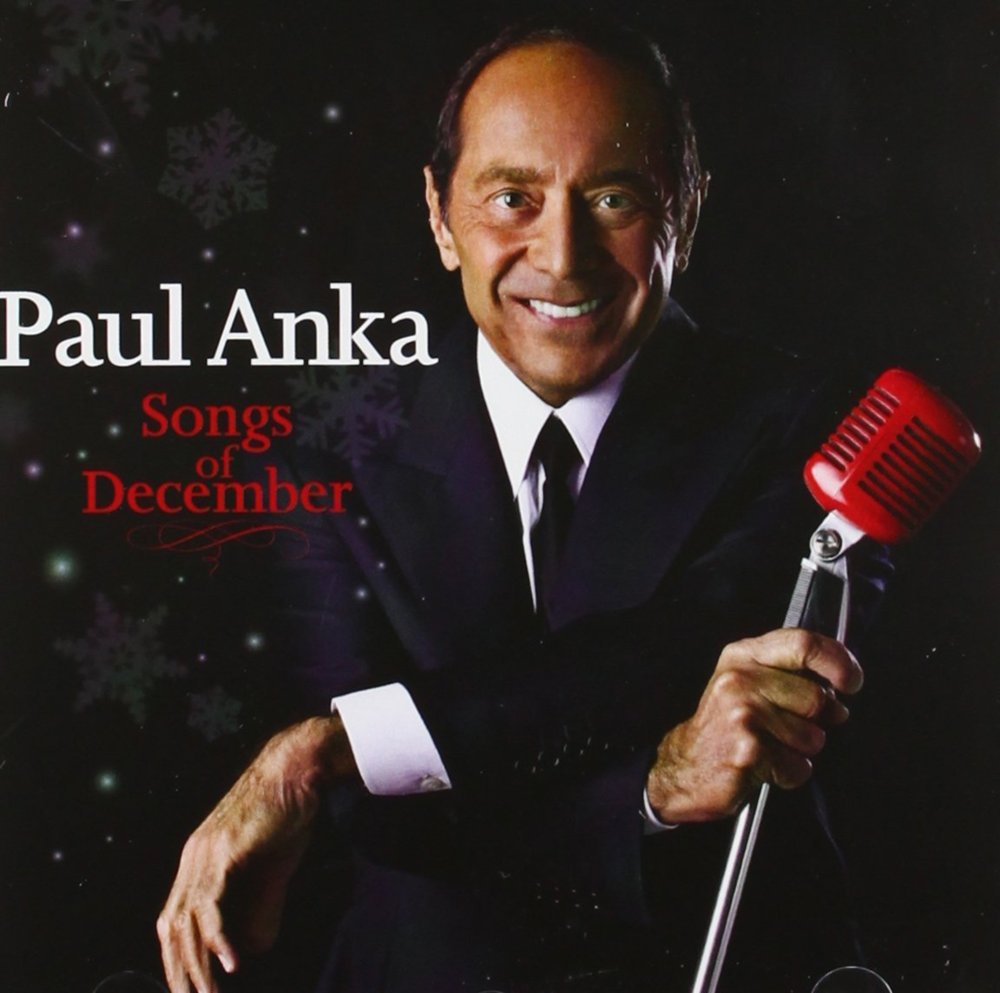
Paul Anka's rendition of "Have Yourself a Merry Little Christmas" isn't just a holiday standard; it's a masterclass in bittersweet nostalgia. Stripped of modern artifice, the lyrics tap into a primal yearning for simpler times, a recurring theme during the holiday season when the present often pales in comparison to idealized memories. The opening lines, "Have yourself a merry little Christmas / Make the Yule-tide gay," serve as an immediate invitation to embrace joy, but the subsequent acknowledgement that "from now on, our troubles will be miles away" hints at an underlying awareness of hardship, a subtle acknowledgment that joy is often a conscious choice, a deliberate act of will against a backdrop of difficulty. The song's meaning lies in its delicate balance between hope and melancholy.
Anka's interpretation, like many others, draws power from the contrast between the festive imagery and the undercurrent of longing. Phrases like "happy golden days of yore" evoke a sense of irrevocable loss, reminding us that the past, however cherished, is forever out of reach. The gathering of "faithful friends who are dear to us" becomes all the more poignant when juxtaposed with the unspoken understanding that time and circumstance inevitably lead to separation and change. The lyrics aren't merely celebrating Christmas; they're grappling with the ephemeral nature of connection and the bittersweet reality of shared history.
Ultimately, "Have Yourself a Merry Little Christmas"—especially through Anka's measured delivery—resonates because it doesn't shy away from the complexities of human emotion. The line "Through the years / We all will be together / If the Fates allow" is a stark reminder of our vulnerability, our dependence on forces beyond our control. The final call to "Hang a shining star upon the highest bough / And have yourself a merry little Christmas now" is not just a festive platitude; it's an act of defiance, a conscious decision to find joy in the present moment, even in the face of uncertainty and the inevitable passage of time. The song's enduring appeal lies in its ability to acknowledge the shadows while still reaching for the light, a sentiment that resonates deeply during the holiday season and beyond.
 View Artist