Song Meaning
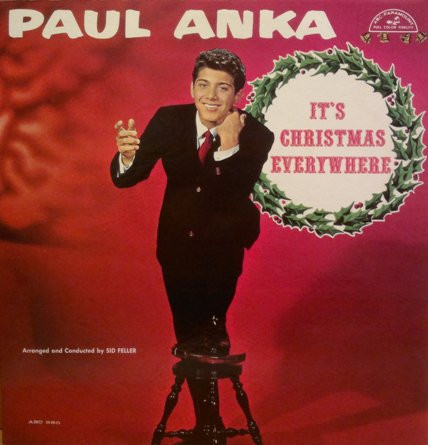
Paul Anka's rendition of "Hark! The Herald Angels Sing" isn't just a Christmas carol; it’s a carefully constructed declaration of faith, a sonic architecture built upon the cornerstone of divine reconciliation. The song meaning, deeply rooted in Christian theology, revolves around the birth of Jesus Christ and its profound implications for humanity. It’s a message of hope delivered with the grandeur befitting its subject matter, an invitation to join in the 'triumph of the skies.' The lyrics don't simply announce a birth; they proclaim the arrival of a king, a savior, a being who bridges the gap between God and humankind. The concept of 'God and sinners reconciled' speaks to the core Christian belief in redemption and the possibility of atonement through Christ's sacrifice. It suggests a broken relationship mended, a divine olive branch extended to a flawed humanity. This isn’t mere celebration; it’s a theological statement wrapped in a festive melody.
The song's power lies in its ability to convey complex religious ideas in accessible language. Phrases like 'Veiled in flesh, the Godhead see' encapsulate the mystery of the incarnation – the idea that God took on human form. This concept, central to Christian belief, is presented not as an abstract doctrine but as a tangible event worthy of awe and reverence. The carol further emphasizes Christ's dual nature, highlighting both his divinity ('Christ, by highest heaven adored') and his humanity ('Pleased, as man, with men to dwell'). This tension between the divine and the human is at the heart of the song's message, underscoring the idea that God became human to better understand and connect with humanity.
Ultimately, "Hark! The Herald Angels Sing" is a song about transformation and renewal. The lyrics point to the birth of Christ as a catalyst for change, a moment that offers 'light and life to all.' The repeated assertion that Christ was 'born that man no more may die' speaks to the promise of eternal life, a core tenet of Christian faith. The carol frames Christ's birth not just as a historical event, but as a living, breathing promise of hope and redemption that continues to resonate with believers today. Anka's delivery, while traditional, underscores the timeless quality of this message, ensuring that its core meaning continues to echo through generations.
 View Artist