Song Meaning
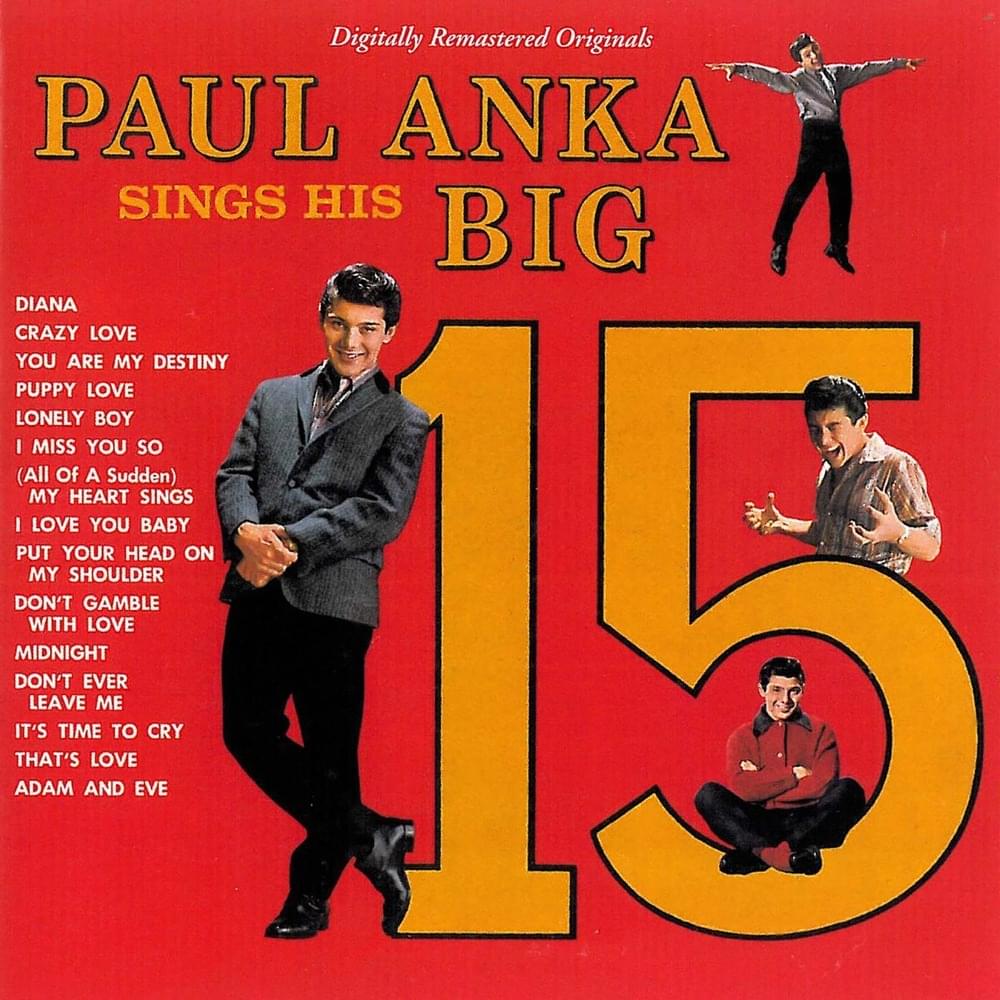
{"song_id": 10769695, "meaning": "Paul Anka's \"Don't Ever Leave Me\" isn't just a plea; it's a raw, exposed nerve of codependent anxiety, amplified by the stark simplicity of its lyrics. Stripped of complex metaphors, the song's power lies in its almost childlike vulnerability. It's a primal scream against abandonment, revealing the terrifying prospect of solitude that haunts the singer. The repetition of \"Don't ever...\" becomes a mantra born of desperation, not love. The promise of tears and loneliness isn't a manipulation tactic; it's an honest, if unsettling, glimpse into a psyche utterly dependent on external validation. The rawness of the lyrics exposes the fragility of a person who equates their existence with the presence of another.
The song's emotional core hinges on the imbalance of power within the relationship. The singer anticipates rejection – \"Don't say we're through\" – revealing a deep-seated insecurity and perhaps a history of past abandonment. The lines, \"No matter what you should say to me/No matter what you do/It would mean nothing at all to me/Because I'm so in love with you,\" are not romantic devotion, but a dangerous disregard for self-preservation. It suggests a willingness to endure anything, to sacrifice personal boundaries, just to avoid being alone. This utter dependence borders on obsession, transforming love into a form of emotional survival.
Ultimately, \"Don't Ever Leave Me\" is a haunting exploration of attachment theory gone awry. It's a portrait of someone who hasn't developed a secure sense of self, whose identity is entirely contingent on the presence and approval of their beloved. The song's lasting impact comes not from its musical complexity, but from its unflinching depiction of the darkness that can reside within the human heart when love becomes a substitute for self-worth. Anka's delivery, even within the confines of the era's pop sensibilities, hints at the profound pain driving this desperate entreaty."}
 View Artist