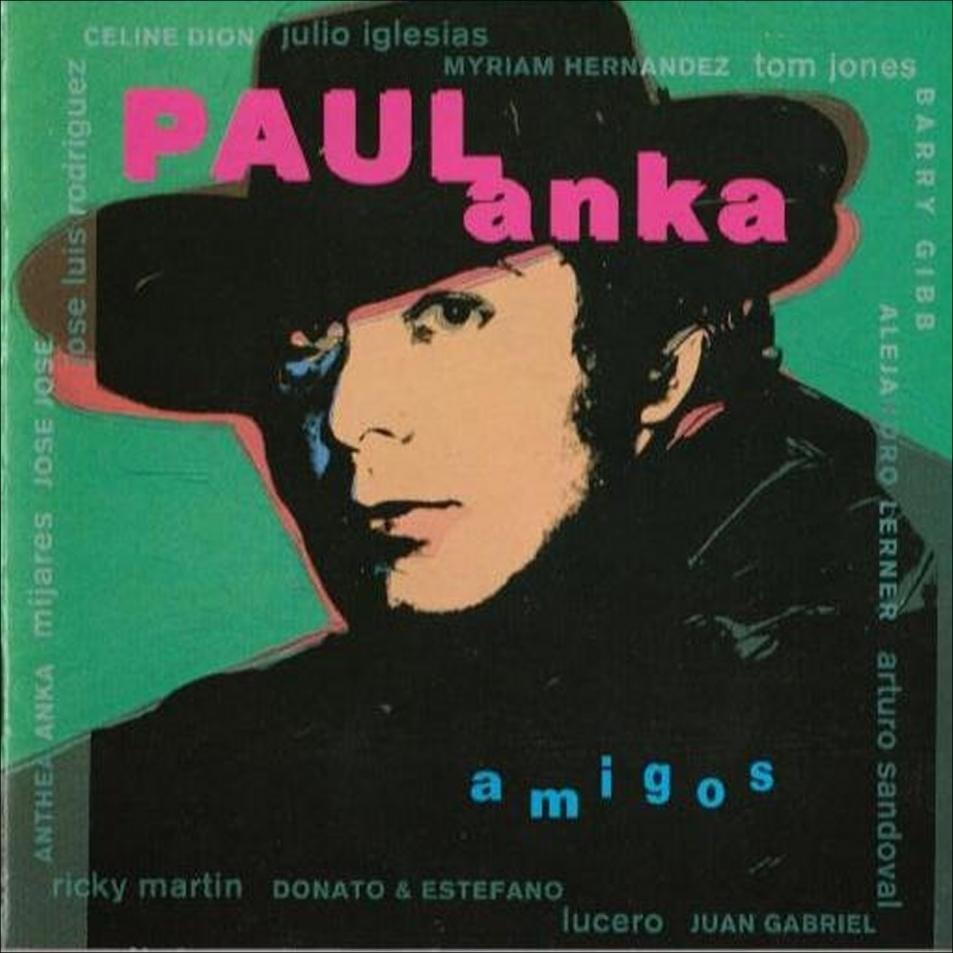
Song Meaning
Paul Anka's "Diana," especially in this duet form with Ricky Martin, transcends simple puppy love; it's a layered exploration of desire, age, and cultural expression. The song hinges on a plea, a persistent, almost desperate call for Diana to stay, to reciprocate the intense feelings of the singer. Anka's original version already carried a certain youthful urgency, but Martin's presence injects a Latin passion, amplifying the underlying tension between longing and potential societal disapproval. The lyrics, alternating between English and Spanish, highlight not just a cross-cultural appeal but also the universality of the emotions being expressed. The shift between languages underscores different facets of the narrator's feelings, from the more direct, pleading tone in English to the more sensual and possessive declarations in Spanish. The repeated lines "Mira como yo te siento / Toda mia, toda mia" (Look how I feel you / All mine, all mine) hint at a possessiveness that borders on obsession, a feeling intensified by the awareness of potential barriers.
The duet format further complicates the song's meaning. It's not merely a performance choice but a dialogue, or perhaps a dual monologue, emphasizing the intensity of the infatuation. The age difference, alluded to in the opening Spanish lines ("Yo soy joven to mayor / Eso ya lo se muy bien" - "I am young to old / I know that very well"), adds a layer of taboo, a forbidden fruit element that likely fuels the narrator's fervor. The lines "En las cosas del amor / No hay edad y no hay porque" (In matters of love, there is no age and no why) serve as both a justification and a challenge to societal norms. The interweaving of English and Spanish, and the vocal interplay between Anka and Martin, create a sense of urgency and heightened emotional stakes. The song isn't just about love; it's about the battle against perceived limitations and the raw, unfiltered expression of longing.
The persistent repetition of "Stay by me... Diana" coupled with the increasingly fervent "Mira como yo te siento" transforms the song into a kind of mantra, a desperate attempt to manifest the desired outcome through sheer force of will. The "thrills" and the promise of a love that will never be apart contrast with the underlying insecurity that fuels the entire performance. This version of "Diana," therefore, is not simply a nostalgic throwback but a complex exploration of desire, cultural boundaries, and the intoxicating, sometimes unsettling, power of infatuation.