Song Meaning
Patrick Juvet's "La chanson des enfants" isn't just a children's song; it's a siren call away from the confines of structured life and into the boundless possibilities of childhood. The repeated invitation, "Viens jouer dans le jardin" (Come play in the garden), acts as a hypnotic suggestion, urging the listener to abandon the "piano" – a symbol of formal training, discipline, and perhaps a joyless obligation. The garden itself becomes a Freudian playground, a space of uninhibited id where "roses vermeilles" (crimson roses) are picked and dreams take root. It's a space far removed from the adult world's pressures. The lyrics are not just an invitation to play, but a subtle commentary on the loss of innocence and the stifling nature of adult expectations. The children Nancy and Nicolas, with their simple games and innocent dreams, represent an idealized state of being.
The figure of Leslie, waiting by the basin with her "cheveux d'argent" (silver hair – an odd detail for a child, perhaps hinting at the preciousness and fragility of youth), is particularly poignant. Her anticipation for the listener's arrival, her generous heart, and the promise of "gâteaux" (cakes) in the courtyard of a "château" evoke a fairytale world of pure, unadulterated joy. The imagery of her "petits yeux d'ivoire" (small ivory eyes) and "lèvres aux plis d'or" (lips with golden folds) elevates her to an almost angelic figure, radiating innocence and hope. The gesture of offering her handkerchief, "les joues rouges d'espoir" (cheeks red with hope), is a powerful symbol of connection and shared joy, a stark contrast to the solitary confinement implied by the piano.
Ultimately, "La chanson des enfants" uses the imagery of childhood to explore deeper themes of freedom, innocence, and the yearning for a simpler time. The constant refrain, "Laisse tomber le piano" (Drop the piano), is a powerful act of rebellion, a rejection of societal pressures and a return to the authentic self. It suggests that true happiness lies not in mastering a skill or fulfilling expectations, but in embracing the simple joys of life and connecting with others on a genuine level. The song's enduring appeal lies in its ability to tap into the universal longing for a lost paradise, reminding us of the importance of play, imagination, and the unadulterated joy of childhood.
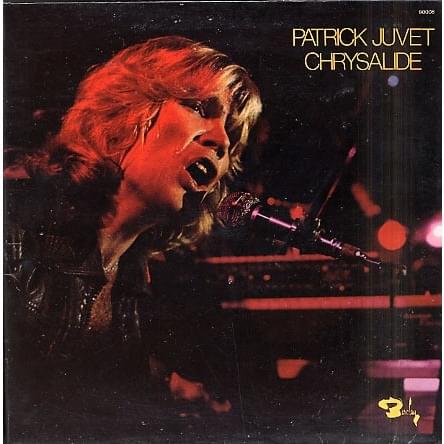
 View Artist