Song Meaning
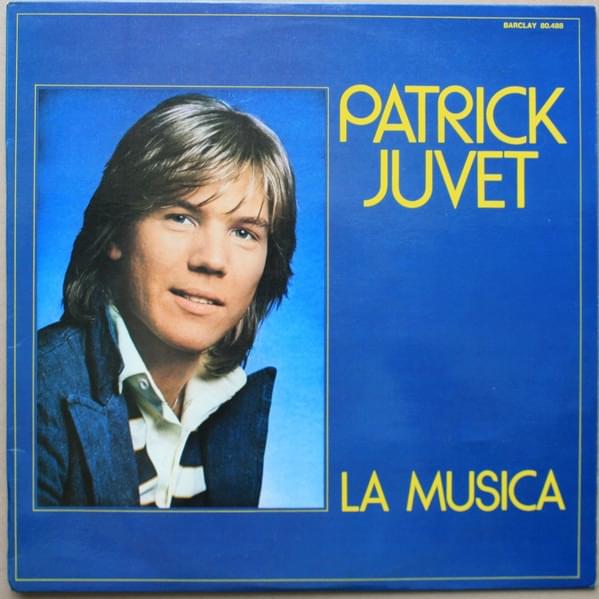
Patrick Juvet's "La musica" isn't just a song; it's an exercise in synesthesia, a full-bodied sensory immersion where sound bleeds into the visual and the emotional. The lyrics paint music not as a detached art form, but as the very fabric of lived experience, woven into the mundane and the monumental. The gentle patter of rain on the roof transforms into a symphony, a lover's voice becomes an aria, and suddenly the entire world is a meticulously arranged composition. Juvet elevates the everyday to the sublime. He suggests that music isn't confined to concert halls or recordings; it's the emotional undercurrent of existence itself. It’s the emotional weather, both calm and tempestuous, that shapes our inner landscape.
The core of "La musica" lies in its ability to equate external stimuli with internal feelings. The lyrics suggest that the titular 'musica' is both the catalyst and the expression of love and longing. A simple gesture, "un signe de toi," or the act of returning to the singer are both recast as music. This implies a deeply personal and subjective understanding of the world, where love is not just a feeling but a force that re-orchestrates reality. It's a romantic ideal, yes, but one that resonates with the universal human desire to find harmony and beauty in the chaos of life.
Ultimately, the song meaning of "La musica" is less about music itself and more about the transformative power of perception. Juvet frames music as the lens through which we filter and interpret our experiences, particularly those of love and connection. The lyrics gently nudge us to find the inherent melodies in the world around us, from the grand drama of a summer storm to the quiet intimacy of a whispered word. By blurring the lines between sound and sensation, Juvet invites us to become active participants in our own emotional symphonies.
 View Artist