Song Meaning
The lyrics paint a stark picture of isolation, where even the moon's light fails to offer solace or guidance. The narrator explicitly states, "La luz de la luna / No me alumbra," immediately establishing a sense of darkness and disconnection from natural illumination. This isn't just a physical darkness, but an emotional one, as the narrator expresses a strong desire not to be lost, repeating "Y no me quiero perder / Hoy no me quiero perder." This repetition underscores a deep-seated fear of succumbing to their current state.
The central tension arises from the narrator's confrontation with solitude. The landscape itself seems to recede, "La colina se esconde una vez," mirroring an internal withdrawal. The line "Y en mis ojos no hay nada ke desear" is particularly potent, suggesting a profound lack of aspiration or hope, leaving only "esta noche de soledad / Que me dominaaaa." This dominance of loneliness is the core conflict, a force that actively controls the narrator's experience.
The most striking aspect of the writing is its directness and the stark contrast it draws between external elements and internal feeling. The moon, typically a symbol of gentle light or romance, is rendered ineffective. The desire to not be lost clashes with the overwhelming presence of solitude. The final declaration, "Cuando estoy solo, estoy mejor," offers a twist, suggesting that perhaps the struggle isn't against being alone, but against the *feeling* of being lost and dominated by that solitude, implying a preference for the quiet emptiness over a more painful, lost state.
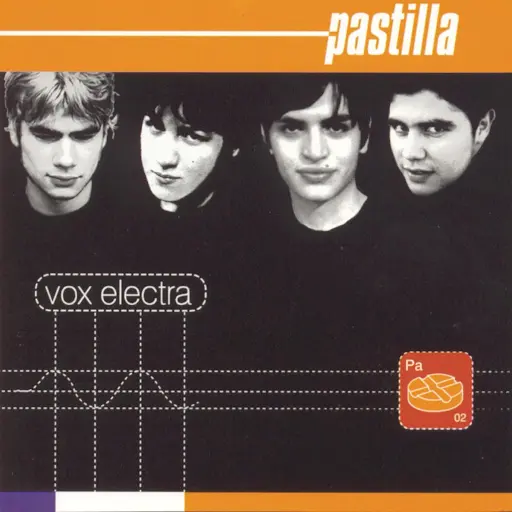
 View Artist