Song Meaning
The lyrics paint a picture of intense longing and disorientation, centered around a figure who represents a new, overwhelming reality. The narrator opens their eyes "just to not be asleep," suggesting a state of being awake but not truly present, a constant search for this other person. When separated, the narrator feels "lost," highlighting the profound dependence and the void left by their absence. The plea to "close your eyes / To imagine I'm with you" reveals a desperate attempt to bridge the distance, even if only through fantasy, seeking "just one dose" to be "lost" together.
The central tension lies in the narrator's struggle to connect and understand the object of their obsession. The repeated calls of "Come and show me your face / Come and tell me who you are" are not just requests but urgent demands born from a deep uncertainty. This uncertainty is amplified by the narrator's own fragmented state, admitting "I don't know where to start." The Spanish phrase "dime donde estas" (tell me where you are) woven into the chorus underscores this feeling of being physically or emotionally distant, a constant searching.
Lyrically, the contrast between waking and sleeping, and the physical sensations associated with absence, are striking. The narrator opens their eyes "just to be down" and their hands "just to be so cold," linking physical actions to emotional lows and a chilling emptiness. This is juxtaposed with the idea of "always the same reality in my ears" and "always the same loneliness when we sleep," suggesting a cyclical, inescapable despair that persists even in shared moments or during rest. The repetition of "Tell me who you are" at the end transforms the plea into a desperate, almost frantic mantra, emphasizing the unresolved nature of this quest for identity and connection.
This lyrical construction is effective because it mirrors the disorienting and all-consuming nature of intense desire or infatuation. The oscillation between Spanish and English, the raw emotional pleas, and the stark imagery of coldness and being lost create a palpable sense of yearning and confusion. The listener is drawn into this state of emotional dependency, feeling the narrator's desperate need for clarity and presence, even as the object of that need remains elusive and undefined.
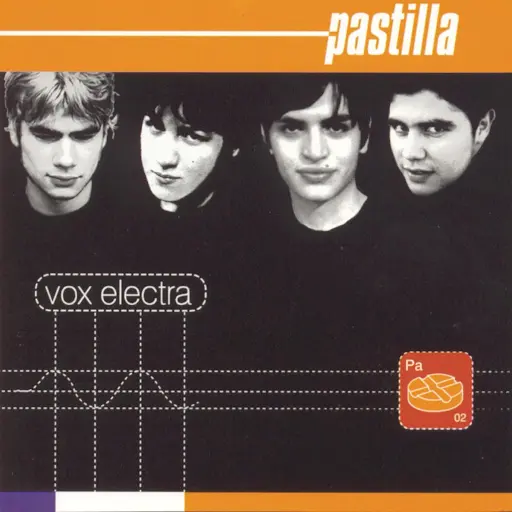
 View Artist