Song Meaning
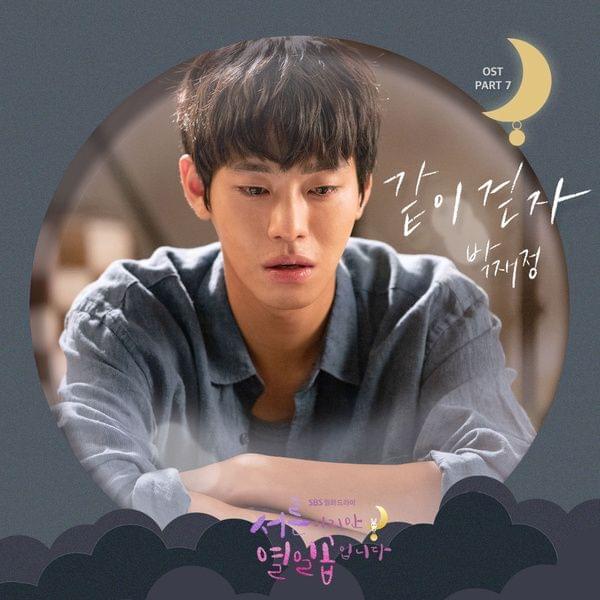
This song captures the bittersweet ache of a love that was always destined to falter, a relationship where the narrator felt perpetually out of sync. The opening lines immediately establish a sense of awkwardness and delay, describing love as "a slow love, one step at a time." This feeling of being behind, of never quite catching up, sets the stage for the central tension: the desire to keep moving forward together, even when the end is clearly in sight. The repeated plea, "Walk with me, just a little more," isn't a call for a new beginning, but a desperate request to prolong an inevitable farewell.
The core conflict lies in the narrator's struggle with a love that feels both present and isolating. Despite being "next to you, I was alone," the narrator confesses their love was real, a sentiment the other person likely never understood. This disconnect fuels the narrator's solitary grief, as they acknowledge the love's unknown end and the pain of having to learn "farewell first." The lyrics suggest a profound sadness in realizing that the person they loved may never have truly known the depth of their feelings, making the eventual separation a lonely burden.
The most striking aspect of the writing is the recurring motif of walking and the associated imagery of time and distance. The narrator asks to walk "just enough so it's not difficult," highlighting the exhaustion of maintaining this faltering connection. The desire to "go back to that day when we didn't know each other" underscores the pain of a love that began without a clear start and now faces an undefined end. The final, heartbreaking image of walking away alone, "turning back to the path we passed," signifies a complete severance, a return to solitude after a shared, albeit difficult, journey.
Ultimately, the song's power comes from its raw portrayal of unrequited understanding and the quiet resignation to loss. The narrator isn't angry or accusatory; they are simply exhausted and heartbroken, grappling with the reality of a love that was never fully reciprocated. The gentle, almost resigned tone, combined with the vivid imagery of a slow, painful walk towards an unavoidable end, makes the listener feel the weight of this solitary grief and the quiet dignity of facing it alone.
 View Artist