Song Meaning
The lyrics paint a picture of someone adrift, unable to find their bearings or return to a cherished past. There's a palpable sense of being swept along by forces beyond their control, a feeling amplified by the repeated question, "어느 곳으로 가려나" (Where shall I go?). The narrator feels powerless, their "힘없는 내 맘" (powerless heart) lingering in a place that's now distant and longed for. This creates an immediate emotional texture of wistful resignation and confusion.
The central tension lies in the conflict between a desire to move forward and the inability to escape a present state of being lost. The phrase "떠밀려만 가네" (just being pushed along) and "어디로 흘러 흘러" (where am I flowing to) highlight this passive movement. Simultaneously, the narrator expresses a wish to "다시 만나길 바래" (hope to meet again), suggesting a longing for reconnection or a return to a previous state, but this hope is undercut by the stark realization that "돌아갈 수가 없어" (I can't go back).
The most striking aspect of the writing is the juxtaposition of passive drifting with an active, yet futile, attempt to escape. The English phrase "I can't get away get away" acts as a desperate refrain, a direct plea against the overwhelming sense of being stuck. This is contrasted with the Korean lines that describe being "무심히 남겨진 채" (indifferently left behind) and "갈 곳을 잃고 헤매이네" (wandering, having lost my way). The lyrics suggest that even when trying to break free, the narrator remains trapped, unable to find a path forward or backward.
This creates a profound emotional impact by capturing the feeling of being stuck in a liminal space, where the past is unreachable and the future is uncertain. The repetition of "I can't get away" hammers home the feeling of entrapment, while the imagery of being left behind and wandering emphasizes the loneliness and disorientation. It’s effective because it articulates a universal sense of helplessness when faced with overwhelming change and the inability to regain what has been lost.
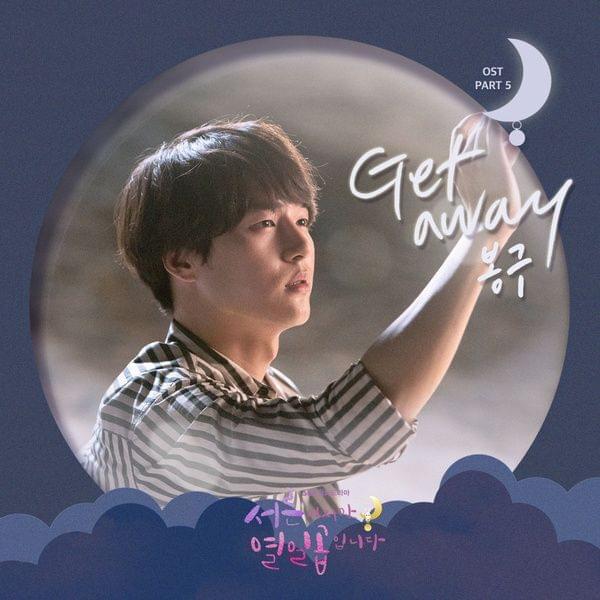
 View Artist