Song Meaning
Paolo Meneguzzi's "I Valori" isn't a track that screams for attention, but its quiet insistence on examining a life adrift feels surprisingly resonant. The song meaning circles around a central figure, seemingly shielded by a facade ("Ti sai nascondere sotto un manto da leone"), yet profoundly disconnected from fundamental human experiences. Meneguzzi isn't merely observing; there's a palpable sense of frustration and a weariness in witnessing this self-imposed isolation. It’s as if he's watching someone slowly suffocate behind walls of their own making. The repetition of "Sono lì i valori che non senti mai" hammers home the core message: the protagonist is surrounded by the very things that could anchor them—emotions, friendships, guidance—but remains stubbornly oblivious. This isn't a condemnation, but a lament.
The beauty of "I Valori" lies in its refusal to offer easy answers. It doesn’t pathologize the subject or reduce them to a simple diagnosis. Instead, it presents a portrait of someone seemingly trapped in a cycle of emotional avoidance. The lyrics hint at a deeper pain, a reason for the defensive posturing, but the song doesn’t explicitly reveal it. This ambiguity allows listeners to project their own experiences onto the narrative, making the song a mirror reflecting the complexities of human connection and disconnection. The line "I segreti che non svelerai perché non puoi..." is particularly poignant, suggesting a burden too heavy to bear, a past trauma that continues to dictate the present.
Ultimately, "I Valori" is a song about the quiet tragedy of unacknowledged potential. Meneguzzi positions himself as an observer who's reached a breaking point. The lines "Ma io non ci sto più e prendo in mano la mia vita..." signal a departure, a necessary act of self-preservation. It's a recognition that one can't save someone who refuses to be saved. The song's power resides not in its grand pronouncements, but in its subtle exploration of the human condition, the delicate balance between self-protection and genuine connection, and the often-painful realization that sometimes, the most compassionate act is to walk away.
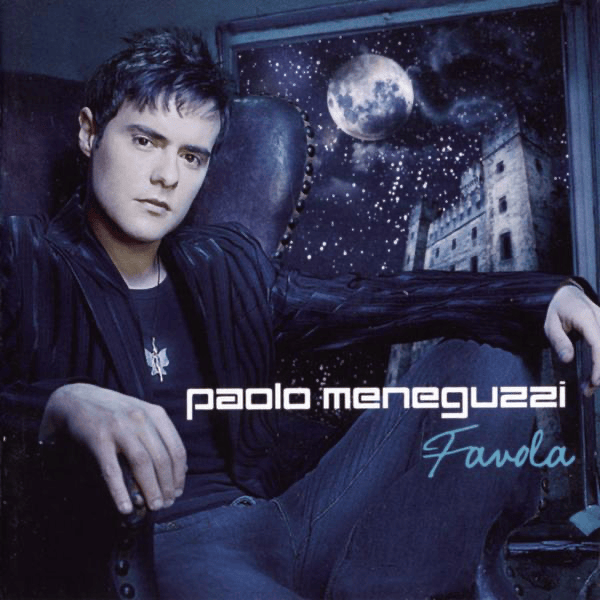
 View Artist