Song Meaning
Paolo Meneguzzi's "Angeli" isn't just a song; it's a raw, unfiltered conversation with loss. The lyrics, simple yet profoundly affecting, paint a picture of someone grappling with the absence of a loved one, imagining them now amongst angels. It's a universal theme, of course, but Meneguzzi avoids cliché by focusing on the intimate details – the remembered intensity of past conversations, the lingering void in shared laughter. The 'song meaning' here resides not in grand pronouncements about death, but in the quiet, persistent ache of everyday life altered by absence. The repeated invocation of 'angeli' (angels) provides a framework for understanding death, but it's the earthbound details that give the song its weight.
The core of "Angeli," according to this lyrics analysis, hinges on the tension between acceptance and longing. There's an attempt to find solace in the image of the departed as an angel, watching over those left behind and potentially 'indicating the way.' Yet, this spiritual comfort is constantly undercut by the stark reality of 'noi qui senza te' – 'us here without you.' This creates a poignant push and pull, a simultaneous embrace of hope and acknowledgment of irreversible change. The lyrics don't offer easy answers or saccharine platitudes; instead, they dwell in the messy, unresolved space of grief.
Ultimately, the power of "Angeli" lies in its understated vulnerability. Meneguzzi isn't performing grief; he's inhabiting it. The repetition of phrases like 'non sarà mai piu lo stesso' ('it will never be the same') underscores the permanence of the loss, while the plea 'non ci senti siamo tutti qui per te' ('don't you hear us, we are all here for you') reveals the persistent desire for connection. This isn't a song about moving on; it's a song about learning to live with a hole in the world, a hole shaped by the memory of shared moments and the enduring presence of absence. The song suggests that even in death, the essence of the departed remains, not as a distant celestial being, but as an intrinsic part of the lives they touched.
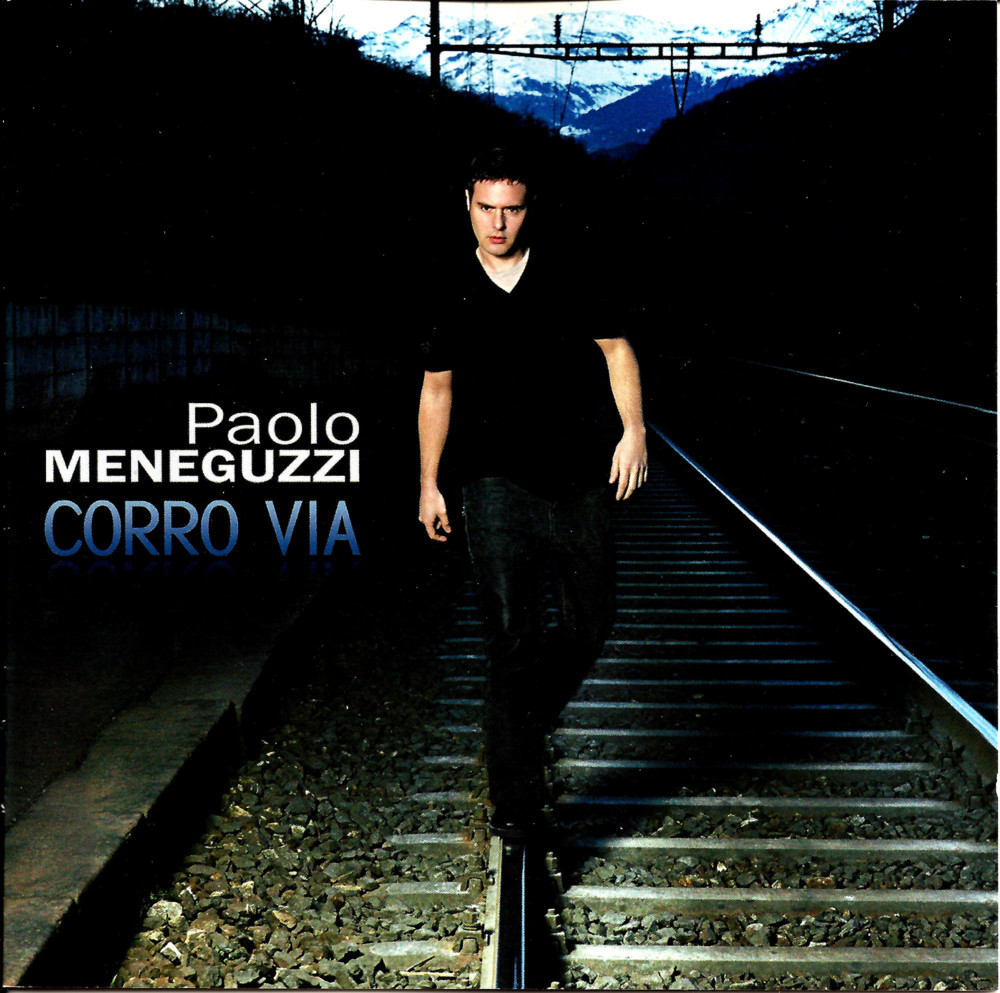
 View Artist