Song Meaning
The lyrics open with a chaotic chorus of opinions: "Io dico no tu dici si lei dice mah." This immediate disagreement sets a scene of universal confusion around love. Yet, a central, relentless truth emerges: "Ma l'amore va" – love keeps going. It's an unstoppable force, indifferent to individual desires.
A deep personal longing, almost a dramatic despair, surfaces with "Lui mi amerà.. oh no, d'amore morirò." This intense individual experience is immediately juxtaposed with broader observations of those who "non dà" or "non ha" in love. The central tension lies in the human desire to control or comprehend love, clashing with its stubbornly unpredictable nature, captured in the repeated "non è mai come vuoi."
The most striking element is the insistent refrain, "Ma l'amore va," which acts as both a declaration and a resignation. This idea is powerfully amplified by the contrast: "Si ferma il mondo l'amore no lui va." The world can stop, but love's current remains unbroken. The abrupt interjection "Eccoci qua'pubblicità!" further emphasizes love's pervasive, almost commercialized presence, suggesting it's everywhere, unavoidable, even when we're distracted.
These lyrics are effective because they tap into the universal frustration of love's unpredictability while simultaneously offering a strange comfort in its relentless flow. The repeated warnings "Non puoi capirlo mai / Non puoi cambiarlo mai" build to a powerful call for surrender: "arrenditi." The raw, almost desperate suggestion "Magari spogliati" implies that perhaps true engagement with love requires shedding all defenses, accepting its dual capacity to "Fa male o guarirà." The final, emphatic "non è mai come vuoi.. no no no no!" leaves the listener with a resonant, shared sigh of exasperation and acceptance.
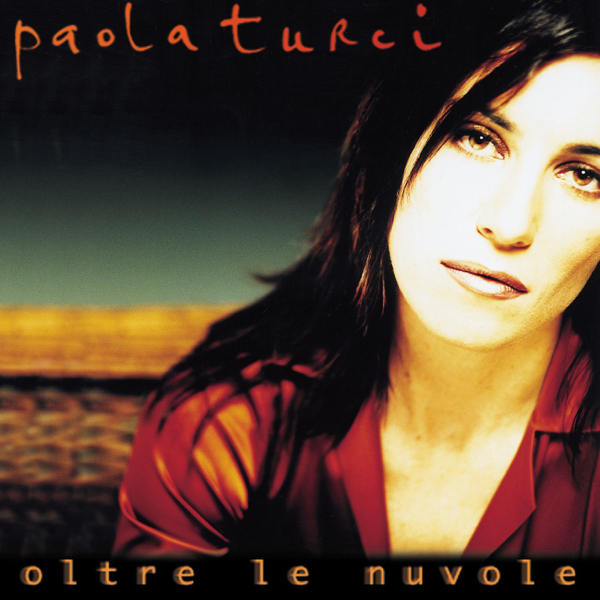
 View Artist