Song Meaning
This track lays bare a relationship where one person's devotion is so absolute it borders on self-destruction. The narrator declares, "It's only for you," framing every action, even embracing "sins over virtues," as a sacrifice made solely for this singular individual. This intense focus creates an immediate sense of suffocating dependency, where the narrator's own moral compass and happiness are secondary to the object of their affection.
The central tension arises from the narrator's awareness of the partner's flaws and manipulative behavior, contrasted with their inability to break free. The partner plays the role of a king, "always playing the king," capable of betrayal and expecting forgiveness, while the narrator admits, "I should lose you and I know it." Yet, this knowledge doesn't lead to liberation; instead, it fuels the narrator's desperate, almost masochistic, commitment, making them unable to even "smile anymore."
The most striking aspect is the narrator's paradoxical decision to forgive, driven by the partner's fear of losing. The lyrics state, "Because you have the face of one who doesn't know how to lose / So I will forgive you." This isn't forgiveness born of genuine reconciliation, but a concession to the partner's ego, highlighting the power imbalance. The narrator's own inability to live without the partner, "because without you I don't know how to live anymore," becomes the ultimate justification for this cycle of pain and conditional absolution.
Ultimately, the raw emotional power of these lyrics stems from their unflinching portrayal of a love that has become a prison. The narrator's self-awareness of the unhealthy dynamic, coupled with their profound inability to escape it, creates a poignant and unsettling portrait of devotion gone awry. The repeated assertion, "It's only for you," transforms from a declaration of love into a confession of being utterly consumed.
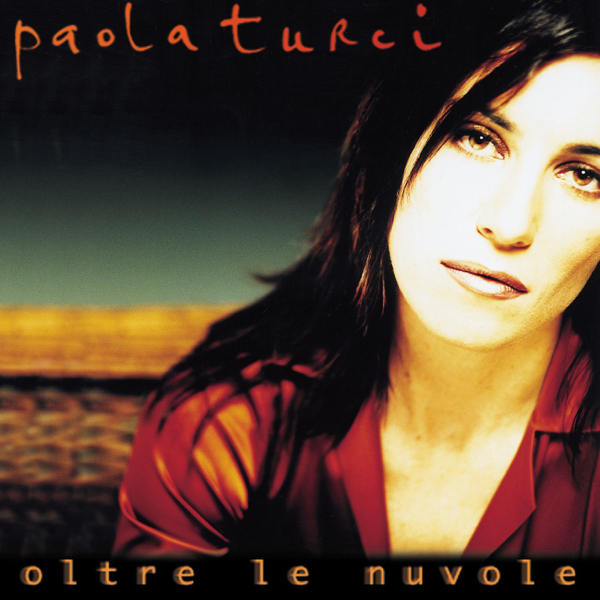
 View Artist