Song Meaning
The lyrics paint a stark picture of urban struggle and internal conflict. The opening lines set a scene of scarcity, with a single bill for cigarettes and a request for a photo, hinting at a desire for connection amidst hardship. The narrator invokes cultural touchstones like Viktor Tsoi and Sergei Yesenin, positioning them as mentors against a backdrop of perceived superficial pop culture, suggesting a search for authentic artistic expression and meaning.
The central tension arises from a feeling of being trapped in a cyclical, unforgiving existence. The line "Our life is a charter / Without a return ticket" evokes a sense of irreversible commitment to a difficult path. This is juxtaposed with the poignant act of "seal[ing] in memory / The number of mom and dad," a grounding act of love amidst a life that "can't manage" the constant fight for survival. The narrator feels their "shadow has taken my life," indicating a profound sense of internal disconnect and loss of self.
The repeated phrase "Wet streets" functions as a powerful, almost hypnotic refrain, mirroring the bleak, melancholic atmosphere. The lyrics suggest these streets are not just a physical location but a state of being, "crying with slush." The contrast between the "wet streets" turning puddles into "gold" offers a glimmer of hope, a potential for beauty or value found in the grim reality, though this is immediately undercut by the assertion that "each saves himself from himself." The narrator's self-identification as "just like you, constantly out of sorts" reinforces a shared, pervasive sense of unease and instability.
Ultimately, the effectiveness of these lyrics lies in their raw, unvarnished portrayal of disillusionment and the search for identity. The narrator grapples with the harsh realities of earning money, where "cash brings joy" but life itself is "not sweetness, but nastiness." The uncertainty about their future self, "Who will I become on earth," and the feeling of being "out of place" if loved, creates a deeply resonant portrait of alienation. The cyclical, almost resigned repetition of "Wet streets / It's wet streets" solidifies the feeling of being stuck in a loop, making the rare moments of potential beauty or connection feel all the more fragile and hard-won.
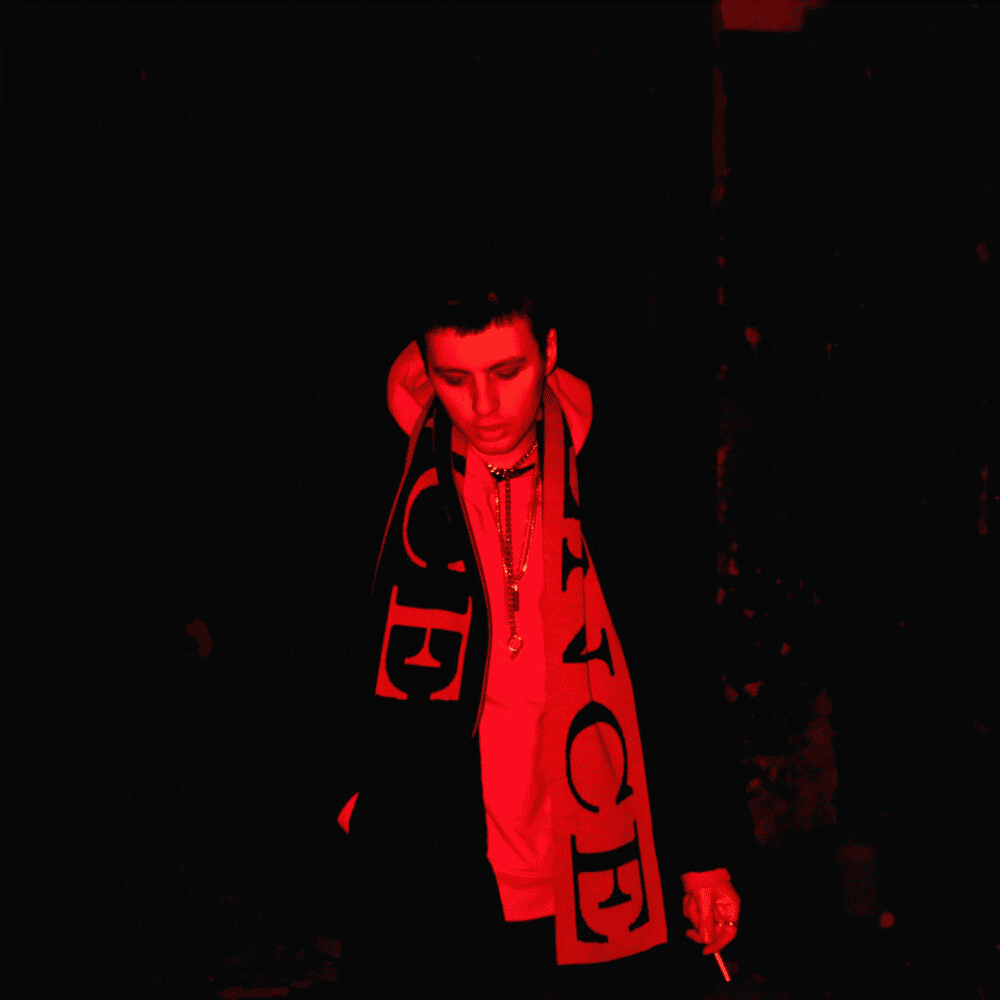
 View Artist