Song Meaning
The lyrics present a fascinating dichotomy between the poet's crafted verse and its perceived limitations versus the raw, untamed nature of 'truth' and 'true love.' The narrator's verse is depicted as capable of navigating opulent social settings, attending to ladies, and possessing knowledge of courtly attire and refined pleasures like warm wines. This suggests a persona that is both sophisticated and perhaps a bit performative, skilled in the artifice of polished language and social graces. The imagery of 'aroma vario y luces ricas' and 'damas' paints a picture of a world of superficial beauty and social obligation.
However, this elaborate facade is contrasted with a deeper yearning. The 'verdad' (truth) desires a 'cetro' (scepter), implying a need for authority and substance, something the narrator's verse, despite its elegance, might not fully embody. The verse is described as 'montaraz' (wild, untamed) when it comes to experiencing love and its complexities, yet it 'prefers' the 'silencio del verdadero amor' and the 'espesura de la selva prolífica' – the silence of true love and the thicket of the prolific jungle. This suggests a preference for authentic, perhaps even overwhelming, experiences over the controlled elegance it can otherwise represent.
The most striking element is the final, abrupt question: '¡Cuál gusta del canario, cuál del águila!' (Which one likes the canary, which one the eagle!). This sharpens the central tension. The canary might represent the delicate, caged beauty the verse can describe, while the eagle embodies the wild, powerful, and perhaps dangerous freedom of true love or truth itself. The narrator seems to be questioning which of these two vastly different realms his 'verse' truly belongs to, or perhaps which one he himself is drawn to, highlighting an internal conflict between artistic expression and authentic experience.
This lyrical tension is what makes the piece resonate. It captures the struggle of an artist who can masterfully articulate beauty and social nuance but grapples with expressing the profound, wilder aspects of existence. The poem doesn't offer easy answers, instead leaving the reader contemplating the nature of truth, love, and the capacity of art to capture them, ultimately suggesting that the most profound experiences might lie beyond the reach of even the most skilled poetic craft.
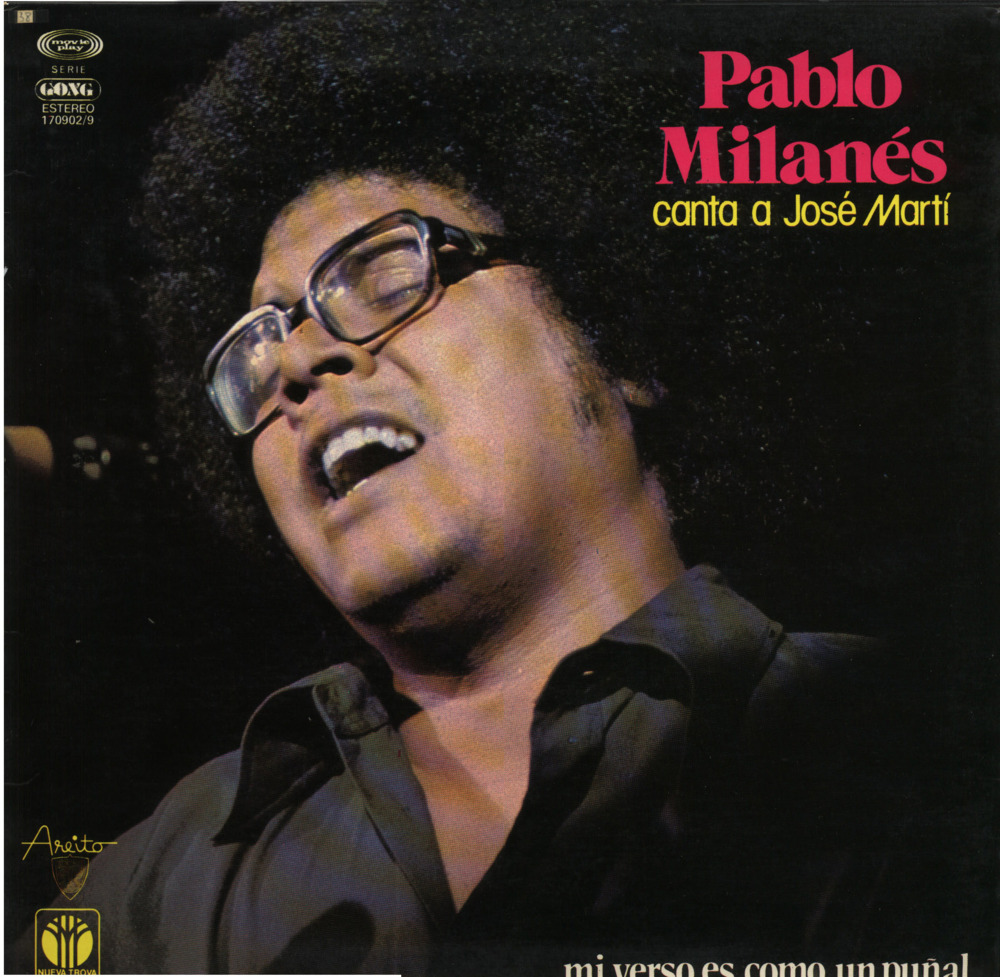
 View Artist