Song Meaning
The lyrics paint a fragmented portrait of a collective "we" – "Éramos" – defined by a patchwork of borrowed, almost theatrical, identities. This "we" is presented as a vision, a mask composed of disparate, aspirational elements: an athlete's chest, a dandy's hands, a child's brow, and a globalized wardrobe from England, Paris, and North America, topped with a Spanish bullfighter's cap. This constructed persona feels artificial, a superficial assemblage rather than an organic whole.
The central tension arises from the stark contrast between this artificial "we" and the authentic, marginalized figures observed. The lyrics describe an "indio" who silently retreats to the mountains to baptize his children, a "negro" singing alone in the night, and a "campesino" seething with indignation against the dismissive city. These figures represent a grounded reality, a connection to nature and tradition, that the constructed "we" seems to lack or ignore.
The most striking craft element is the consistent use of enumeration to build the "we" and then to present the contrasting figures. The repeated "Éramos" followed by a list of physical attributes and clothing items creates a sense of deliberate, almost performative, self-definition. This is then juxtaposed with the simple, evocative descriptions of the "indio," "negro," and "campesino," whose actions and emotions feel raw and deeply felt, highlighting the superficiality of the initial persona.
This lyrical construction effectively conveys a sense of alienation and the hollowness of a manufactured identity. By presenting the "we" as a collection of external influences and the other figures as embodiments of authentic experience, the lyrics suggest a critique of a society that prioritizes outward appearance and borrowed status over genuine connection and lived reality. The final image of the "campesino" revolting against "su criatura" – its own creation, the city – powerfully underscores this theme of self-destruction born disillusionment.
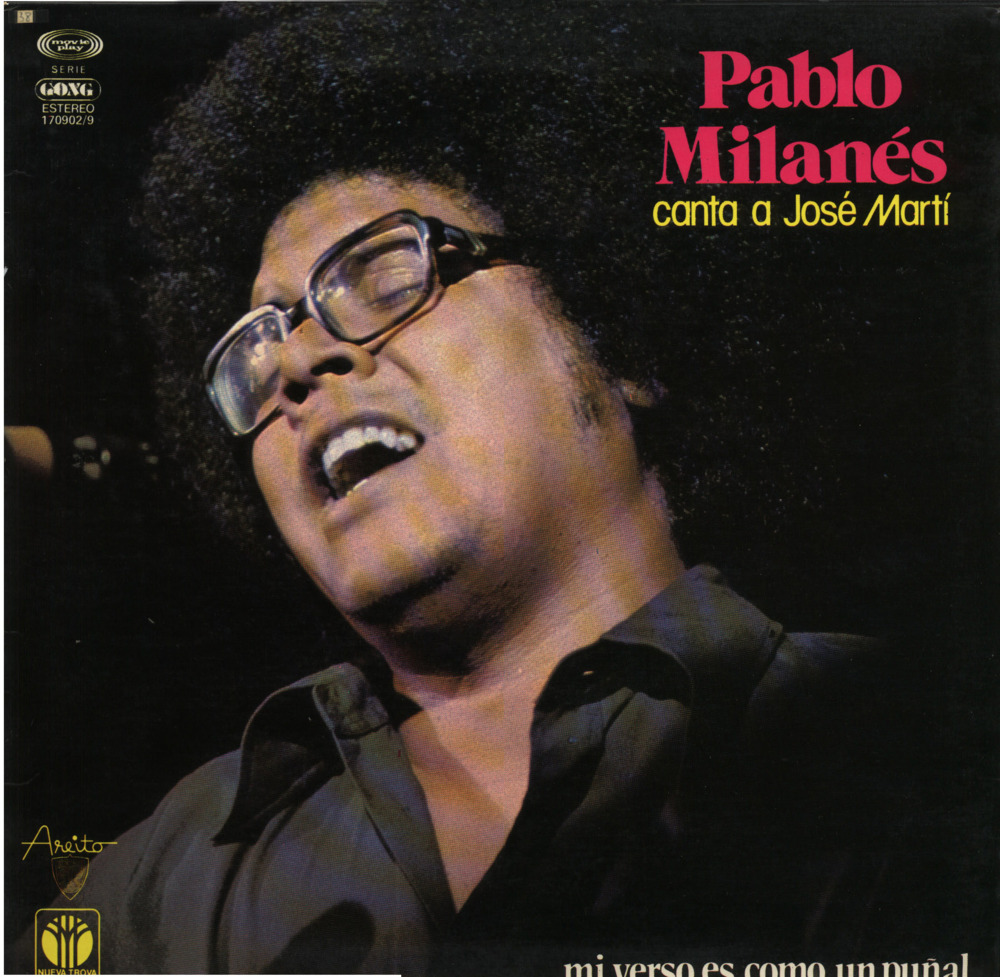
 View Artist