Song Meaning
The lyrics paint a quiet portrait of two solitary individuals finding a subtle connection over shared routines. The narrator observes a "Polish friend" taking coffee at the same time each day, noting his slow gaze at the "slow movement of cranes." This shared observation, along with the occasional request for a light, forms the basis of their unspoken camaraderie. The narrator infers the friend's loneliness from these small details, suggesting a shared understanding of isolation.
The central tension arises from the contrast between superficial interaction and deep, unspoken empathy. Despite a language barrier – "I don't know a word of his language" – the friend opens up, speaking for hours about his past, his homeland, and lost hopes. This vulnerability, described with evocative imagery like "burned illusions" and "the kind taste of first rains," highlights the profound emotional depth that can exist beneath surface-level encounters. The narrator's own mirroring of the friend's solitary behavior at the end suggests the connection has resonated deeply.
The most striking craft element is the recurring image of the "slow movement of cranes." Initially observed by the friend, the narrator adopts this same passive, contemplative gaze by the song's conclusion. This repetition signifies a shared perspective, a mutual recognition of stillness and perhaps the passage of time or unfulfilled potential. The "sleepy lawn garden" and "nostalgia of trees" further amplify this melancholic, introspective mood, creating a rich atmosphere of quiet longing.
These lyrics resonate because they capture the profound impact of small gestures and shared quietude in forging connection. The writing skillfully uses understated observation and evocative, sensory details to convey a deep sense of empathy between two people who might otherwise remain strangers. The narrator's shift from observer to participant in the shared solitary gaze powerfully illustrates the subtle ways human beings can connect and offer solace, even across significant divides.
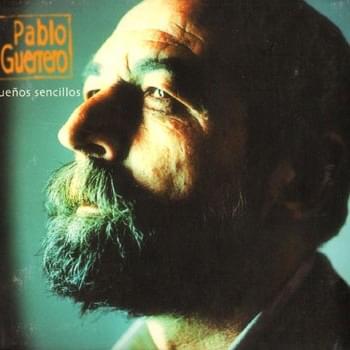
 View Artist