Song Meaning
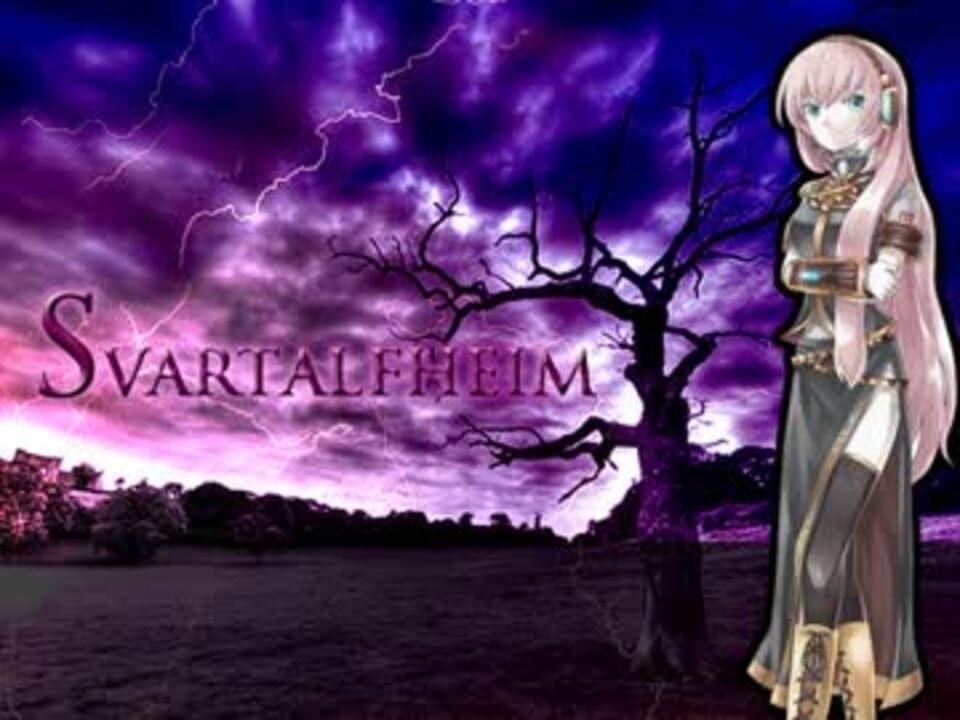
The lyrics paint a grim picture of a desolate, mythical realm, Svartalfheim, where existence is defined by perpetual darkness and suffering. The narrator expresses a desire for escape, symbolized by "wishing for wings," yet is trapped in a cycle of decay and despair, "crawling the dark." This world is characterized by "misshapen lives" and a lack of mercy, where even the lowest forms of life, "maggots," have no capacity for judgment or meaning. The narrator’s physical self is also corrupted, described as having a hand "darker than black," a stark contrast to what is supposed to be "beautiful." This internal darkness seems tied to the external environment, a place where "the sun never shine" and "life will never begin."
The central tension arises from a confrontation with a perceived higher power or natural order, questioning the idea that "god will never make mistakes." The narrator's hand and eyes are presented as evidence of this flawed creation, leading to a defiant stance: "We never care, we will revenge." This anger fuels a desire for retribution against those who uphold a system that offers no forgiveness or justice, as indicated by the lines about the "courthouse of justice" and "execute time." The lyrics suggest a deep-seated resentment towards a world that is "never forgave" and a determination to fight for "pride and freedom" in the face of overwhelming adversity.
The recurring motif of darkness and its inhabitants, the "astonishing evil elves," underscores the pervasive sense of corruption and malevolence. The lyrics repeatedly emphasize the absence of light and hope, stating, "When the night time is over the shade comes again." This cyclical nature of despair is mirrored in the narrator's contemplation of existential dread, linking the "meaning of life" with the "sin of suicide" and acknowledging the inevitability of death. The phrase "maggots have no law of kill" is particularly striking, suggesting a complete breakdown of natural order and morality, where even basic survival instincts are devoid of any governing principle, amplifying the bleakness of this world.
Ultimately, these lyrics are effective because they create a visceral sense of alienation and rage within a vividly imagined, hellish landscape. The stark imagery and the narrator's defiant voice, born from profound suffering, resonate with a primal desire to rebel against perceived injustice. The repeated invitation, "We will welcome you to the Svartalfheim," serves as a chilling declaration, transforming the place of torment into a shared, albeit grim, destiny for those who feel wronged and forgotten by a higher power or a flawed world.