Song Meaning
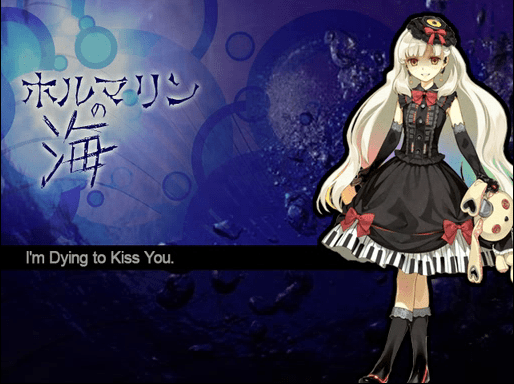
The lyrics paint a chillingly intimate portrait of a love that exists outside of conventional life and death. The narrator is fixated on a preserved "you," separated by glass, attempting a kiss through a "cold index finger." This immediately establishes a tone of morbid devotion, where physical touch is impossible yet intensely desired, creating a palpable tension between the desire for connection and the sterile reality of their situation. The imagery of "lustful petals" pressed against a finger suggests a desperate, almost violent attempt to inject life and passion into a lifeless state.
The central conflict revolves around the desire for eternal union within a state of preservation, symbolized by the "sea of formalin." This is a love that predates birth and defies death, as stated, "Death separates us from before we were born." The narrator pledges their love, seeking to merge their "body and this heart" into one, regardless of whether their ultimate destination is the "bottom of the sea or above the clouds." This yearning for absolute unity, even in a state of decay, highlights a profound, albeit disturbing, commitment.
The most striking craft element is the persistent juxtaposition of life and death, purity and corruption. The "white dress" and "shining finger" contrast sharply with the "blood-stained right hand" and the "sea of formalin." The act of raising a veil with a bloodied hand, followed by an "ice-cold kiss," is particularly potent, suggesting a perversion of wedding rituals. The lyrics repeatedly question the nature of their love and sanity, asking, "Do you think I'm crazy?" and "Who is truly sick, you or me?" This self-awareness, coupled with the inability to discern the truth, adds a layer of psychological complexity.
Ultimately, the effectiveness of these lyrics lies in their unflinching depiction of an extreme, almost pathological, love. The narrator finds happiness in this bizarre union, embracing the idea of creating "eternity and heartbeat" if they don't exist. The final lines, "Whether I am loved, or I love," and "No one knows," leave the listener with a haunting sense of ambiguity, questioning the very definition of love and existence when confronted with such profound, unnatural devotion.