Song Meaning
This song paints a picture of overwhelming devotion, almost to the point of worship. The narrator repeatedly declares themselves a "kurban" (sacrifice) to their beloved, not just for their physical features like eyes and eyebrows, but for the very act of creation and the way they express love. It's a dizzying cascade of adoration, where every glance, smile, and word becomes an object of profound sacrifice. The intensity is immediate, setting a tone of absolute surrender from the jump.
The central tension lies in the sheer impossibility of the beloved's beauty and the narrator's desire to offer everything. The lyrics state, "Such beauty cannot be, eyes can endure, but the soul cannot." This highlights a conflict between what the senses perceive and what the spirit can bear, suggesting the beloved's perfection is almost too much to handle. The narrator then poses a powerful question, asking how many other lovers would wish to die in the beloved's arms, implying a universal longing for this unattainable ideal.
The most striking craft element is the relentless repetition of "Kurbanım sana kurban" and the subsequent listing of what the narrator is a sacrifice to. This isn't just emphasis; it's a sonic manifestation of the narrator's singular focus. The shift in the third stanza introduces a dose of reality, reminding both the narrator and the beloved that they are "fani" (mortal) and that even kings cannot escape fate. This brief grounding makes the subsequent return to passionate pleas for a place in the beloved's world even more poignant.
Ultimately, the lyrics resonate because they tap into the extreme, almost irrational, heights of infatuation. The narrator isn't just saying they love someone; they are offering their very existence as proof. The repeated pleas to "show a heart to die for" and later, to "show a place to love" or "a heart to love" reveal a desperate need for reciprocation, a desire to find a space where this immense love can exist and be returned, even if it means facing mortality.
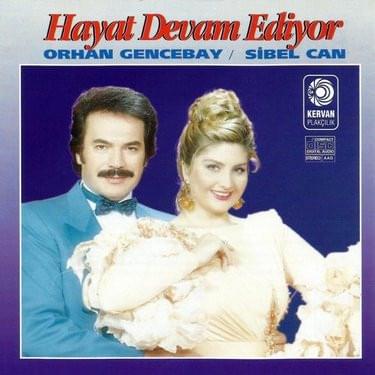
 View Artist