Song Meaning
The lyrics paint a stark picture of profound loneliness and relentless suffering. The narrator opens by stating, "Ne sevenim var ne soranım var" (I have no one to love me, no one to ask about me), immediately establishing a sense of isolation. This feeling is amplified by the declaration, "Öyle yalnızım ki" (I am so lonely), and the assertion that there's "Çilesiz günüm yok, dert ararsan çok" (I have no day without hardship, if you seek troubles, there are many). The dominant emotional tone is one of deep despair and weariness.
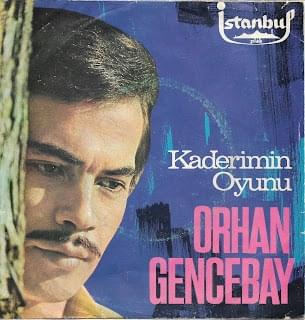
The central tension arises from the narrator's questioning of their fate, asking, "Bana kaderimin bir oyunu mu bu?" (Is this a game of my destiny?). They feel that their love has been taken away, replaced by "zulumu" (oppression/torment). This leads to a desperate thought: "Yoksa yaşamanın kanunu mu bu?" (Or is this the law of living?). The repeated phrase "Bıktım artık yaşamaktan" (I'm tired of living) underscores a profound exhaustion with their ongoing struggles and the perceived endlessness of their "hayat yolu" (life's path).
The lyrics effectively use repetition to convey the cyclical nature of the narrator's pain. The act of "bekleyeceğim" (I will wait) is stated twice, highlighting a passive resignation to their circumstances, even if the loved one doesn't return. The phrase "alıştım kaderin zulmüne artık" (I've gotten used to destiny's torment) reveals a chilling acceptance of suffering. This resignation is further emphasized by the image of "ağlıyor gözler" (eyes are crying) on "Her ümit ufkunda" (every horizon of hope), suggesting that hope itself is a source of sorrow.
What makes these lyrics hit so hard is the raw, unvarnished expression of despair and the feeling of being trapped by fate. The narrator isn't seeking a way out but is instead articulating the crushing weight of their existence. The simple, direct language, devoid of complex metaphors, makes the pain feel immediate and unavoidable, resonating with anyone who has felt overwhelmed by life's hardships.
 View Artist