Song Meaning
The lyrics paint a portrait of lovers whose hearts are "bowed down by love," perpetually waiting for someone to arrive or to be loved, even when hope seems lost. This persistent, unfulfilled anticipation forms the core of their emotional landscape. The narrator feels isolated, observing happiness in distant places while their own existence is defined by a melancholic stillness. There's a profound sense of resignation, a feeling of being a victim of fate, encapsulated in the repeated lament, "My sorrow, my pain, I am a sacrifice to destiny."
The central tension arises from the contrast between the initial intention of love and its devastating outcome. The narrator insists, "I didn't love you for separation," highlighting a painful disconnect between their hopeful beginnings and the present reality of loneliness and regret. This isn't just about a lost love; it's about love itself becoming a source of suffering, a burden that wasn't sought but is now inescapable. The repeated phrase "I didn't love you for separation" underscores this tragic irony.
What truly resonates is the exquisite portrayal of enduring hope against overwhelming odds, a defining characteristic of these "bowed down lovers." The repetition of "waiting for the one who says come" and "waiting for the one who says love" emphasizes a passive, almost spiritual endurance. The narrator's fear that their life will "pass by waiting" and "end by waiting" is a stark, poignant expression of this state. The recurring image of the "boynu bükük sevgilim" (my bowed-down lover) becomes a powerful, almost tender descriptor for this shared, quiet suffering.
Ultimately, the effectiveness of these lyrics lies in their raw, unvarnished depiction of love's potential for deep sorrow and the quiet strength found in waiting, even when it feels like a life sentence. The narrator's questions about regret and sin, "Isn't love not regretting, my love? / Are the sins committed mine, my love?" suggest a search for meaning in suffering. The lyrics capture a specific, aching vulnerability, making the listener feel the weight of that persistent, unrequited hope.
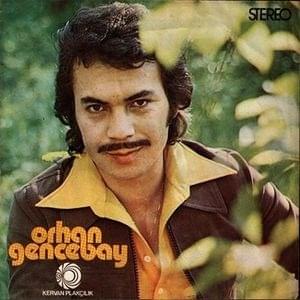
 View Artist