Song Meaning
The lyrics confront a profound sense of loss, urging the listener not to succumb to despair. The repeated admonitions – "Üzülme, kahretme kaybettim onu diye" (Don't be sad, don't curse because I lost him/her) and "Kendini yok etme artık yok diye" (Don't destroy yourself because they are no longer here) – establish a direct, almost confrontational tone. This isn't a gentle suggestion; it's a forceful plea to recognize the inherent value of life itself, calling it a "Hediye tanrıdan" (a gift from God).
The central tension lies between the overwhelming pain of loss and the persistent, undeniable reality of life continuing. The narrator acknowledges the depth of suffering, noting "Gönülden çok derin yaralar alsan da" (Even if you receive very deep wounds from the heart), but counters this with the assertion that "Ümitler bizimdir, çareler bizim" (Hopes are ours, solutions are ours). This creates a powerful dichotomy: the internal devastation versus the external, ongoing existence.
The most striking craft element is the insistent repetition of "Hayat devam ediyor" (Life goes on), acting as a mantra against the tide of grief. This refrain, coupled with the direct commands to cease negative emotions ("Üzülme," "Kahretme," "Ağlama"), builds a compelling argument for resilience. The lyrics suggest that dwelling on what's lost "insana ömrü haram ediyor" (makes one's life forbidden/unusable), directly linking prolonged sorrow to a wasted existence.
Ultimately, the effectiveness of these lyrics stems from their directness and the stark contrast they draw. They validate the pain of loss while simultaneously offering a powerful, almost defiant, call to embrace life's continuation. The message is clear: while wounds may be deep, the capacity for hope and finding solutions remains, making the act of living, in all its beauty, the ultimate imperative.
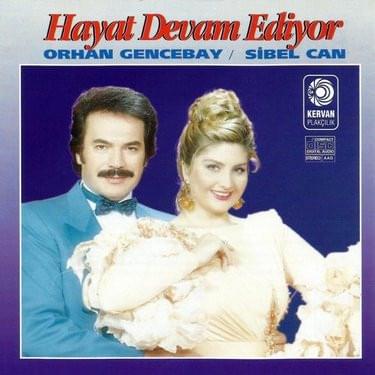
 View Artist