Song Meaning
The lyrics paint a picture of a complex family dynamic, centered around a difficult decision involving travel and separation, likely due to ongoing conflict. The initial lines establish a sense of weary acceptance and the passage of time, with one narrator stating, "Pewnie, że możesz, czas szybciej minie" (Sure, you can, time will pass faster). This sets a somber tone, hinting at a situation where comfort is found in the mundane or in the hope of eventual resolution, even if the journey itself is long and arduous, as suggested by the mention of travel times from Kyiv.
The core tension emerges from a parental directive regarding travel, forcing a choice between two sons. The mother declares, "A mama, że obu nie puszczę, nie ma mowy" (And mom, that I won't let both go, no way), insisting, "Sami wybierzcie, który z was jedzie" (You yourselves choose which of you goes). This creates an immediate conflict, pitting siblings against each other for a potentially dangerous or significant journey, with one narrator recalling the somber ritual of deciding over drinks: "Usiedliśmy wieczorem, ja i brat / Na te symboliczne 100 gramów" (We sat down in the evening, me and brother / For those symbolic 100 grams).
The narrative then reveals a surprising twist and a stark contrast in sibling behavior. The narrator initially offers to go, telling his brother, "Ty młody zostań z matką, jakby co" (You young one, stay with mom, just in case). However, the younger brother, described with unsettling stillness – "on mruży oczy blade / I nic nie mówi" (he squints his pale eyes / And says nothing) – ultimately flees: "A wtedy brat uciekł o szóstej" (And then brother ran away at six). This act of evasion leaves the narrator to handle the situation, a fact he reflects on with a touch of retrospective irony: "Mądry, to jestem teraz" (Smart, I am now).
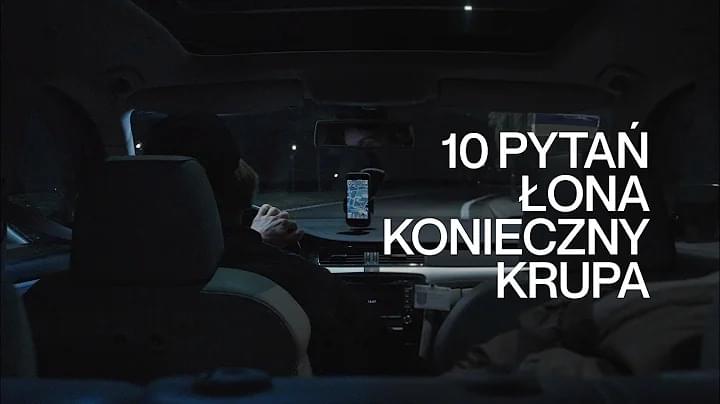
This unfolding of events highlights a profound sense of duty and perhaps resignation on the part of the narrator, who is left to manage the consequences of his brother's departure. The final lines, detailing a call from "Chersonia" (Kherson) and a request to "Nie zapomnij dać gwiazdek" (Don't forget to give stars), suggest the brother is now in a difficult, possibly war-torn, region and is asking for a review or rating, a bizarrely mundane request in the face of such circumstances. The lyrics effectively convey the weight of responsibility and the unsettling nature of family obligations during times of crisis.
 View Artist