Song Meaning
The lyrics paint a stark picture of a world consumed by hypocrisy and self-interest, where outward appearances of morality mask a deeper, more primal nature. The opening lines immediately establish a sense of societal decay, noting how "病態" (pathological) behavior and "偽善" (hypocrisy) have become commonplace, even celebrated. The narrator observes a disconnect between the "偽正經" (pretentious seriousness) of many and their actual transgressions, suggesting that societal rules are selectively applied or ignored, leading to a moral ambiguity where "黑白 不算好壞" (black and white are not good or bad).
The central tension arises from the narrator's struggle to reconcile their own perceived purity with the pervasive corruption around them. While others prioritize superficial concerns like "吃喝" (eating and drinking) or "豪門財產" (wealthy estates) amidst suffering, the narrator feels a need to "呼應" (respond) to the world's decay. However, this response is met with frustration, as their "吼叫吶喊聲" (roaring shouts) fail to break through the "假太平" (false peace). This creates a feeling of isolation and powerlessness, trapped in a system that seems inherently flawed.
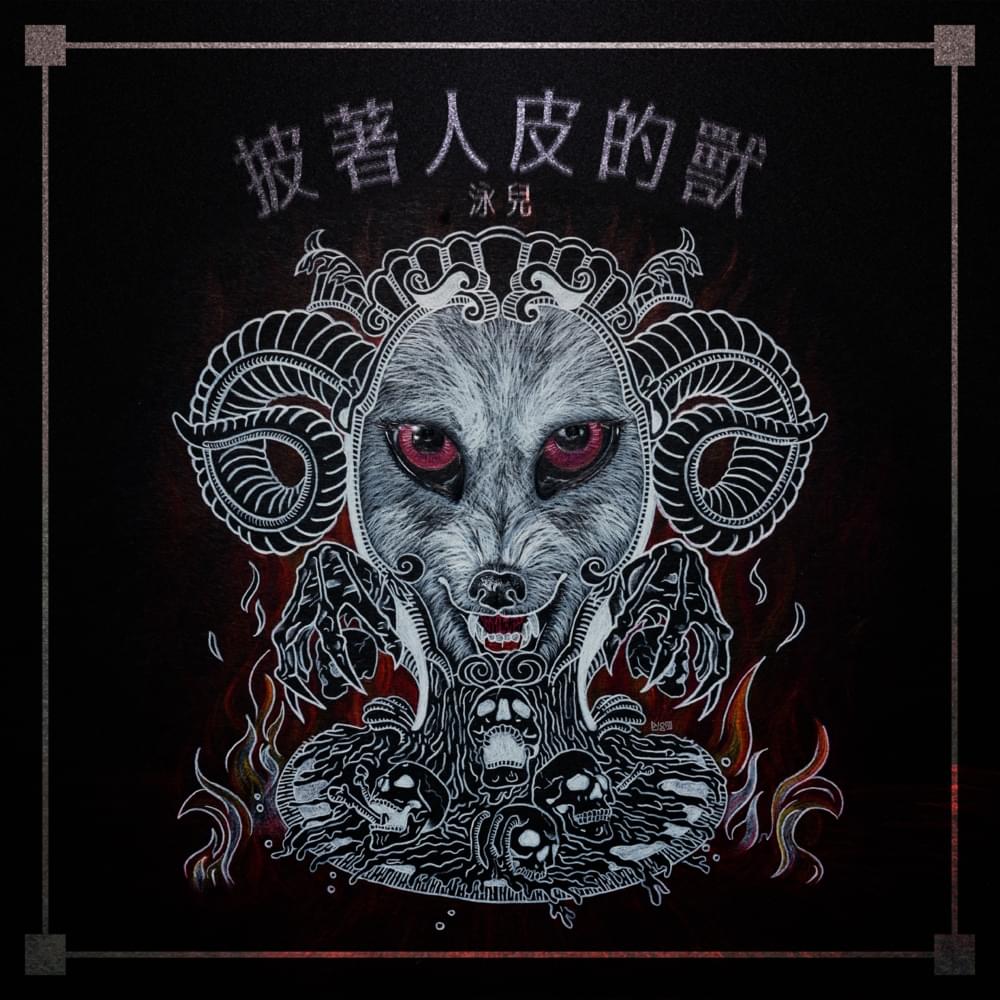
The most striking aspect of the craft is the recurring contrast between outward "正經" (seriousness) and underlying "獸畜天性" (beastly nature). The lyrics suggest that this primal instinct is not just present but actively embraced, even by those who claim moral high ground. The narrator's own attempt to "呼應" (respond) becomes "殘缺的呼應" (incomplete response), highlighting their own internal conflict. The transition section powerfully lists human vices like "懷恨惡毒" (resentment and malice), "勢利慵懶貪心" (snobbery, laziness, greed), and "自負傲慢" (conceit and arrogance), all committed without "內疚" (guilt).
Ultimately, these lyrics resonate because they articulate a profound disillusionment with societal norms and human nature. The narrator's realization that "撇清 從來只是人性" (clearing oneself is always just human nature) and their own need to "成全內心的獸" (fulfill the inner beast) to "爭鬥" (fight) suggests a pragmatic, albeit cynical, acceptance of this duality. The final question about "罪疚感" (guilt) being the "最佳發明" (best invention) leaves the listener contemplating the very definition of morality in a world where hypocrisy seems to be the norm.
 View Artist