Song Meaning
The lyrics paint a stark picture of a world where genuine connection feels impossible, replaced by a pervasive sense of parasitic existence and soul-crushing interactions. The narrator expresses a deep yearning for warmth and love, but finds only substitutes and an inability to truly connect with others. This leads to a feeling of emotional atrophy, where the desire for beauty is met with a shrinking of perception, and the need for intimacy results in embracing artificiality or even danger. The opening lines, "一個個在到處寄生" (one by one, parasitically existing) and "一次次能殘殺靈魂" (time after time, able to slaughter the soul), immediately establish a tone of bleakness and mutual destruction.
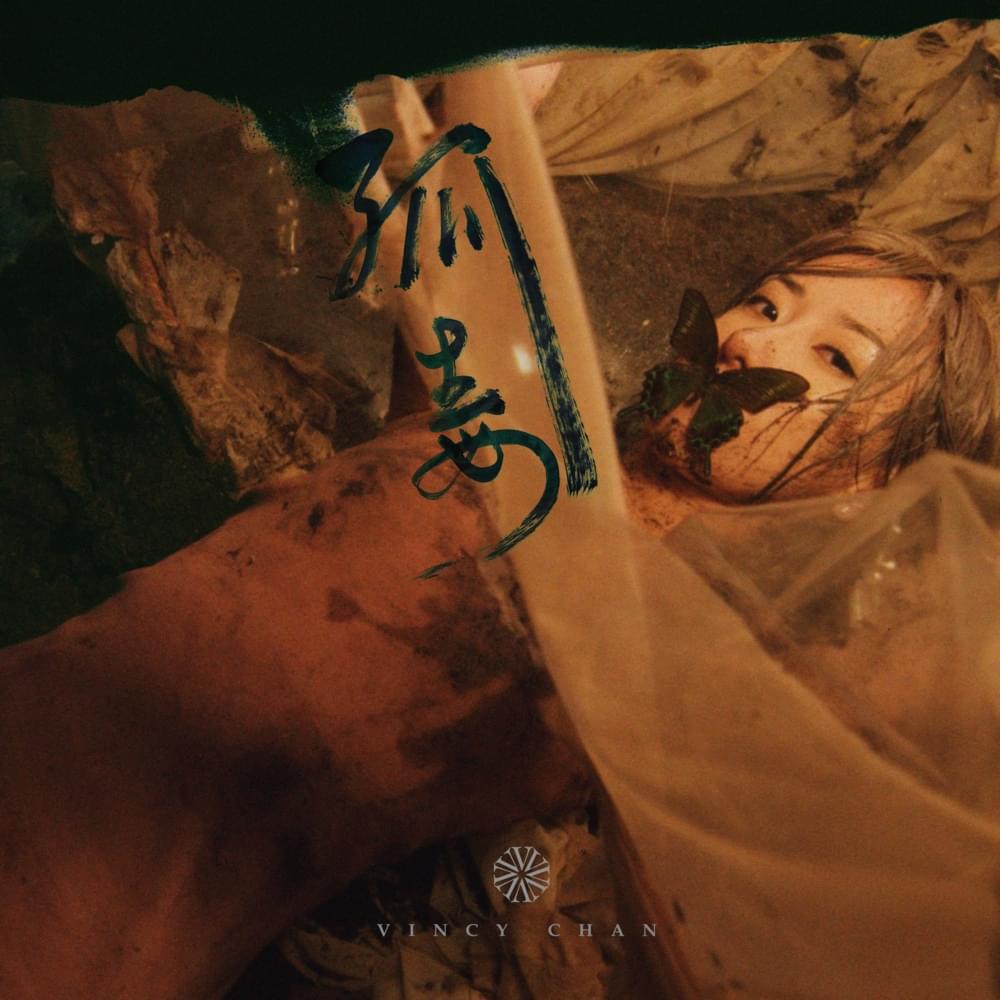
The central tension lies in the contrast between the desire for authentic connection and the pervasive fear or inability to achieve it. The narrator questions the very notion of belonging, asking "尋覓什麼的歸宿" (searching for what kind of belonging) and "難道什麼的身軀也有歸宿" (can any body truly have belonging?). This is powerfully illustrated by the stark imagery of wanting to embrace warm flesh but encountering fear of contact, and preferring to walk with a peacock but instead embracing a black bee. These juxtapositions highlight a profound disconnect between desired comfort and experienced reality.
The most striking craft element is the recurring, almost clinical, definition of negative states: "留不低 叫病毒" (what cannot be kept is called a virus) and "離不開 叫孤獨" (what cannot be left is called loneliness). This framing elevates personal suffering to an almost biological or epidemic level, suggesting these feelings are inescapable and perhaps even contagious. The lyrics further explore this by describing a desire for true beauty only achievable through sensory deprivation – "將兩眼及兩耳全部萎縮 / 方得到真正美好" (shrinking both eyes and ears / only then can true beauty be obtained) – implying that the current state of the world is so corrupted that genuine appreciation requires a form of self-annihilation.
Ultimately, these lyrics resonate because they articulate a deep-seated modern anxiety about isolation and the difficulty of forming meaningful bonds in a world that feels increasingly cold and transactional. The narrator's struggle, framed by the stark, almost scientific definitions of their pain and the unsettling imagery of corrupted desires, captures a profound sense of alienation. The final lines, shifting to a more defiant tone with "誰敢醫 我病毒 / 誰想知 我孤獨" (who dares to cure my virus / who wants to know my loneliness), leave the listener with a potent image of enduring, unacknowledged suffering.
 View Artist