Song Meaning
The lyrics paint a stark picture of overwhelming darkness and encroaching fear. The opening lines establish a palpable sense of isolation, with "Sűrű éj átölel" (dense night embraces) and "Nincs semmi fény, semmi jel" (no light, no sign) immediately setting a tone of hopelessness. This isn't just a physical darkness, but an emotional one, as "A félelem egyre nő" (fear grows ever more) and the narrator feels "nincs remény" (there is no hope).
The central tension arises from the internal struggle against despair. The narrator acknowledges a perceived weakness, "Gyenge vagy, féltelek" (you are weak, I fear for you), suggesting a battle against internal doubt. There's a fading belief that the "éjszaka" (night) will end and that "tiszta fény" (pure light) will ultimately triumph. This internal conflict between succumbing to fear and holding onto a fragile hope is the core of the piece.
The most striking element is the direct, almost desperate plea in the final lines: "Légy erős, tarts ki még / Fel ne add a jó reményt!" (Be strong, hold on more / Don't give up good hope!). This shift from describing the bleakness to issuing a command for resilience is powerful. It transforms the song from a lament into a call to action, urging the listener, or perhaps an internal self, to persevere against the encroaching darkness.
This lyrical structure is effective because it mirrors the experience of facing overwhelming odds. The initial description of despair makes the final exhortation to be strong feel earned and deeply resonant. The contrast between the pervasive "sűrű éj" and the desired "tiszta fény" creates a potent emotional arc, leaving the listener with a sense of urgent, hard-won encouragement.
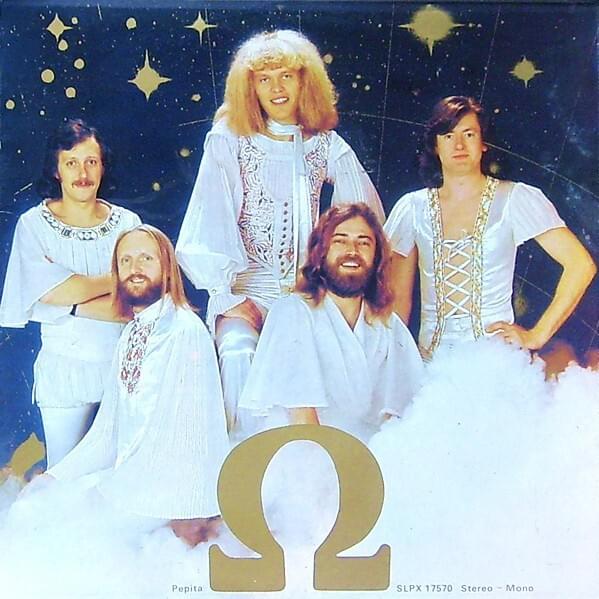
 View Artist