Song Meaning
The lyrics paint a picture of a solitary figure haunted by dreams of a distant, mysterious homeland, a place they can likely never return to. There's a palpable sense of longing and resignation as the narrator heads towards a waiting city, accepting a fate tied to this new world. The opening lines immediately establish a tone of wistful remembrance, contrasting the vibrant memory of a "purple sunset" with the harsh reality of their current path.
The central tension arises from the narrator's profound sense of otherness, encapsulated in the repeated refrain, "Nem a Földön születtem / De ez a Föld a végzetem" (I wasn't born on Earth / But this Earth is my destiny). This isn't just homesickness; it's a fundamental disconnect from their origin, yet an inescapable bond to their current existence. The lyrics suggest a predetermined path, a fate that binds them to a place they don't inherently belong to.
A particularly poignant moment arrives with the mention of a waiting girl. Her fearful reaction upon looking at the narrator hints at an awareness of their alien nature, a truth the narrator tries to conceal but knows will eventually be understood. This interaction underscores the isolation, as even a potential connection is marred by the narrator's inherent difference, making intimacy fraught with unspoken otherness.
Ultimately, the effectiveness of these lyrics lies in their stark portrayal of existential displacement. The simple, declarative sentences and the haunting repetition of the core conflict create a powerful emotional resonance. The narrator's acceptance of their "destiny" on Earth, despite not being born there, speaks to a profound, almost cosmic loneliness that feels both specific and universally understood.
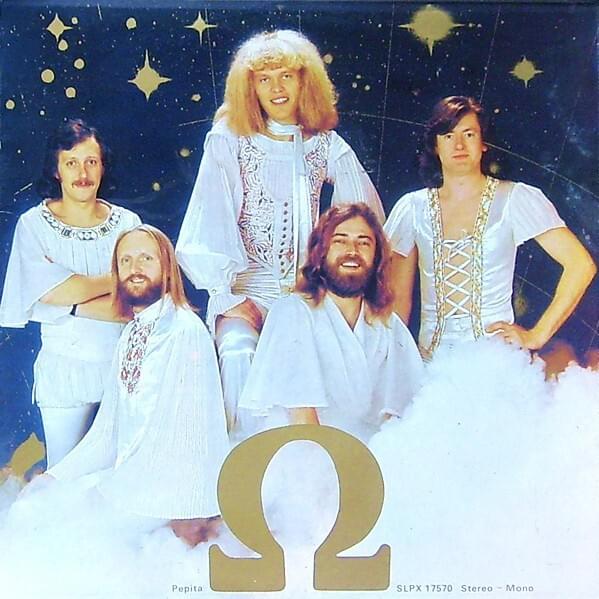
 View Artist