Song Meaning
The lyrics paint a scene of a quiet evening, where the moon, personified like a knowing waitress, seems to understand unspoken desires and a lingering sense of incompleteness. This initial image sets a tone of gentle observation and a subtle acknowledgment of unfulfilled needs, hinting at a deeper emotional undercurrent beneath the surface calm. The narrator reflects on past days, accepting their irretrievability, while contrasting the farmer's toil with the ephemeral nature of a life's harvest. This juxtaposition highlights a sense of enduring labor against the fleeting passage of time and experience.
The central tension emerges with the invocation of "Dolcissima Euridice," a plea to a beloved figure not to look back, lest everything vanish. This directly references the Orpheus myth, framing the current moment as a fragile attempt to reclaim something precious from the past or from loss. The repeated phrase "Dolcissima Euridice" emphasizes a tender, almost sacred, address to this figure, suggesting a profound emotional investment in this precarious reunion. The lyrics articulate a bittersweet truth: that happiness can be found even when a "vita intera" (a whole life) is consumed in a single evening, implying that profound moments, though fleeting, hold immense value.
The most striking craft element is the direct mythological allusion woven into a contemporary, almost mundane setting. The moon as a waitress and the farmer's harvest ground the myth in tangible reality, making the plea to Euridice feel both deeply personal and archetypal. The repetition of "musica, musica" and "salirà, salirà" builds a sense of rising emotion and anticipation, mirroring the ascent of music or spirit, only to be followed by the stark warning, "E se ne andrà con te" (And it will go with you) and "Sennò tutto scompare" (Otherwise everything disappears). This creates a powerful dramatic arc within the lyrics, emphasizing the delicate balance between holding on and letting go.
These lyrics resonate because they capture the universal human experience of cherishing fleeting moments and confronting inevitable loss with a blend of tenderness and resignation. The writing skillfully uses specific imagery – the moon, the farmer, the child playing – to anchor profound emotional truths about memory, love, and the passage of time. The final embrace, "Ti abbraccio a braccia aperte" (I embrace you with open arms), repeated twice, offers a powerful image of acceptance and unconditional love, even in the face of potential disappearance, making the song's emotional impact both poignant and cathartic.
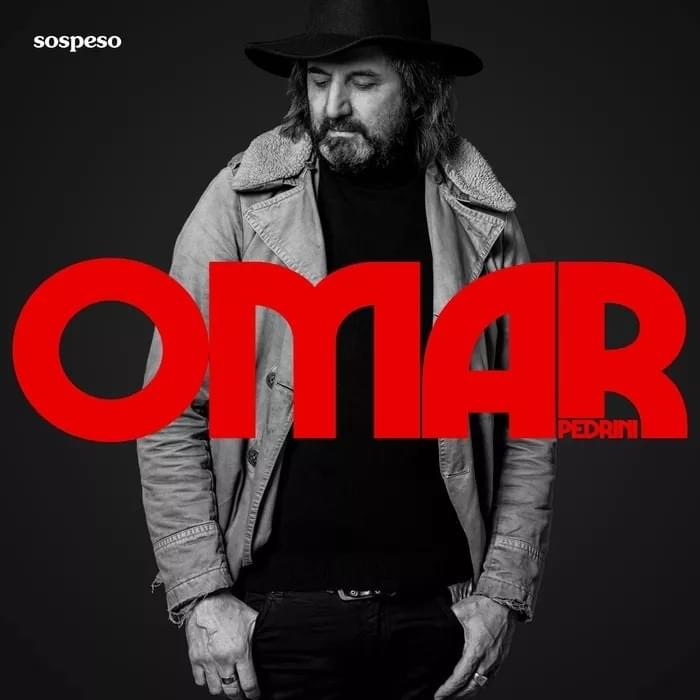
 View Artist