Song Meaning
The narrator is plotting an escape, a return to a former self before a significant relationship ended. There's a clear desire to shed the anger accumulated since then, to become "vestito fresco" (dressed fresh) and "trasparente al mondo" (transparent to the world), suggesting a shedding of defenses and a return to authenticity. This fresh state is directly linked to the absence of a specific person, specifically the feeling of missing their "corpo accanto" (body next to me) and their "sguardo fresco" (fresh gaze).
This escape isn't just about personal renewal; it's also about reconnecting with a past friendship. The narrator plans to bring wine and spend time with a friend, engaging in simple, genuine activities like fishing, talking, eating, and laughing. The phrase "rubare il tempo al tempo" (steal time from time) and "rubare il giorno alla città" (steal the day from the city) highlights a yearning to reclaim moments and escape the mundane, urban grind for something more elemental and shared.
The core tension lies in the contrast between the current state of anger and loss, and the idealized future of renewed self and friendship. The recurring image of missing the person's "corpo accanto" and "sguardo fresco" anchors this longing. The act of "vestito fresco" and becoming "trasparente" signifies a vulnerability and openness that was perhaps lost, a state directly tied to the presence of this absent person, even as the narrator seeks to move past the pain they caused.
The lyrics effectively capture a bittersweet hope. The escape plan, the desire for genuine connection, and the shedding of anger are all powerful motivators. Yet, the underlying reason for this transformation is the profound absence of someone. The narrator's "nuovo canto" (new song) is explicitly dedicated to this absent figure, suggesting that even in seeking to move forward and find solace, their influence remains central to the narrator's emotional landscape.
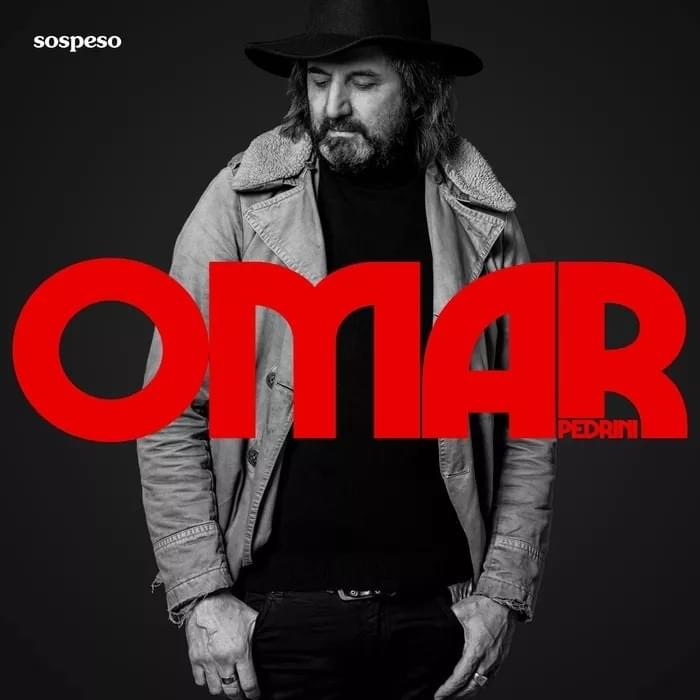
 View Artist