Song Meaning
The lyrics paint a stark picture of life as a performance on a cheap stage, the "long street." As the lights dim in the "hall," the real drama, the "greatest theater's" show, is just beginning. This sets a tone of inevitable, almost predetermined action unfolding in the mundane setting of a street.
The central tension lies in the contrast between the individual's singular "fate" and the street's impersonal, rule-bound "play." The street is a "cheap stage," yet it hosts the "greatest theater's" drama, suggesting that life's most profound moments, or perhaps its most inescapable struggles, occur in ordinary, unglamorous places. The repeated question, "What will be played? And with whom?" underscores a sense of uncertainty and lack of control over one's role and interactions.
The recurring phrase "The drama of the greatest theater / Now begins" acts as a refrain, emphasizing the cyclical and ongoing nature of this life-as-performance. The imagery of "gasoline, sweat, and makeup" grounds the abstract idea of a play in tangible, gritty details, hinting at the effort, struggle, and artifice involved in navigating this societal stage. The rules are strict, but the street "won't admit" what's coming, creating a sense of hidden stakes and unspoken directives.
This lyrical approach effectively captures a feeling of being swept along by forces larger than oneself. The juxtaposition of grand "theater" with a "cheap stage" and the blend of predetermined "fate" with unknowable "rules" creates a compelling, slightly unsettling portrait of existence where every person has a part to play, but the script remains largely a mystery until it's happening.
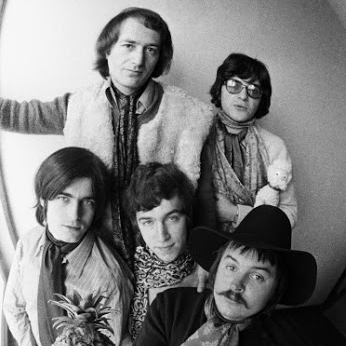
 View Artist