Song Meaning
The lyrics paint a picture of someone feeling lost and overwhelmed, admitting, "Ztrácím cit najednou nevím kam jít" (I'm suddenly losing feeling, I don't know where to go). This initial disorientation is compounded by a sense of failing to meet expectations, as the narrator confesses, "Nechovám se asi jak bych měl" (I probably don't behave as I should). The repetition of "Já to vím" (I know it) throughout the song underscores a deep, almost resigned self-awareness of this struggle.
The central tension arises from a desire for connection and a plea for understanding, particularly directed towards a "ty" (you) who seems to hold some sway. There's a longing for a permanent union, "Až se my dva spolu jednou sejdem / Už se asi nikdy nerozejdem" (When we two meet someday / We probably will never part again). Yet, this yearning is immediately met with a defiant pushback against external control: "Jenom mně neříkej čím musím být" (Just don't tell me what I have to be). This creates a push-and-pull between needing guidance and resisting imposition.
A fascinating aspect is how the narrator seeks advice but receives only vague hints: "Kamarád jen lehce napoví / Jak to provést ale nepoví" (A friend will only lightly hint / How to do it but won't tell). This indirect support mirrors the narrator's own internal fogginess, suggesting a cycle of incomplete understanding. The line "Ztrácím klid a to mně sílu dává" (I'm losing peace and that gives me strength) is particularly striking, implying that the very chaos and anxiety are paradoxically fueling their actions, a desperate kind of momentum.
Ultimately, the lyrics resonate because they capture a raw vulnerability coupled with a stubborn insistence on self-definition. The narrator acknowledges their perceived failings and the difficulty of navigating life, but also asserts a need for autonomy. The recurring phrase "Já to vím, ty to víš, že to vím..." (I know it, you know it, that I know it...) creates a shared, unspoken understanding between the narrator and the listener, a mutual recognition of the complex, often contradictory, nature of personal struggle and the desire for genuine connection.
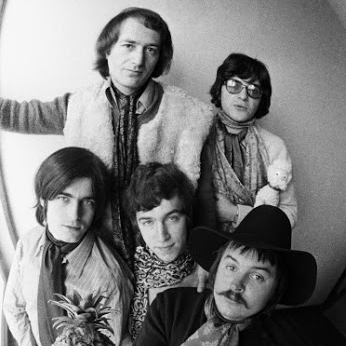
 View Artist