Song Meaning
The lyrics paint a picture of internal conflict, where a restless conscience acts as an unwelcome visitor. This conscience doesn't just sit idly; it knocks, it asks questions, probing for common ground. The narrator seems to be addressing someone who actively tries to ignore or dismiss what doesn't immediately affect them, even when they achieve success. There's a sense that this avoidance is a deliberate choice, a way to shed burdens that don't burn.
The central tension arises from the contrast between outward success and inner dissatisfaction. The phrase "I když vyhráváš něco v tobě zahálí" (even when you win, something in you lies idle) highlights this disconnect. It suggests that external victories don't equate to internal fulfillment, and the conscience is there to remind the listener of this unaddressed void. The lyrics imply a future reckoning where the listener's core beliefs will falter.
A striking element is the personification of conscience as an entity that "knocks on your door and asks." This makes the internal struggle tangible, transforming abstract guilt into an almost physical presence. The recurring "u, u, a" vocalizations, while perhaps nonsensical on the surface, could underscore the persistent, almost nagging nature of this internal voice, a sound that can't quite be ignored or rationalized away. The idea that "living without disappointment doesn't happen anymore" points to a resignation about the inevitability of facing one's inner turmoil.
Ultimately, the effectiveness of these lyrics lies in their portrayal of a relatable internal battle. The writing suggests that true peace isn't found in ignoring one's conscience or in superficial wins, but in confronting what lies dormant within. The promise of future shared laughter and quiet curses ("Pak se budeš se mnou smát a tiše klít") hints at a catharsis that comes only after acknowledging the uncomfortable truths the conscience brings.
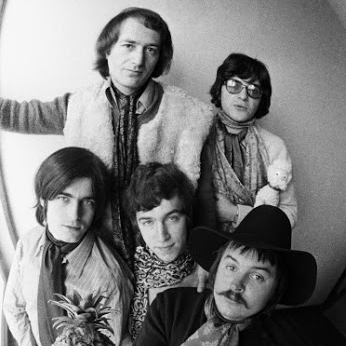
 View Artist