Song Meaning
The narrator reflects on the ephemeral nature of artistic expression and personal connection. They recall countless songs and imagined words, noting that even when their own voice or instrument sounded its best, it ultimately amounted to nothing more than a fleeting vibration in the air. This sense of impermanence colors their perception of past performances and present declarations.
The lyrics paint a picture of a life lived immersed in music and rhythm, yet tinged with a profound sense of futility. The recurring phrase, "To nic, to jen vzduch se chvěl..." (It's nothing, just the air trembled...), acts as a refrain of disillusionment, diminishing even moments of peak performance. This suggests a deep-seated feeling that artistic endeavors and spoken affections, however heartfelt, lack lasting substance.
A striking image emerges with the arrival of a night breeze, described as "Plný hříchů velkoměst" (Full of city sins). This wind, carrying an "nakažený dech" (infected breath), is presented as both a "dar a trest" (gift and punishment), foreshadowing future loneliness. This personification of the wind as a carrier of corruption and isolation powerfully contrasts with the more intimate, albeit transient, expressions of love and music.
The song's effectiveness lies in its stark portrayal of existential doubt. The narrator's repeated dismissal of their own best moments, coupled with the ominous arrival of the wind, creates a palpable tension between the desire for connection and the fear of ultimate insignificance. The final admission, "Větu: Mám tě rád - i já občas říkám" (The sentence: I love you - I also say sometimes), delivered with the same resigned tone as their artistic failures, underscores a profound sense of isolation.
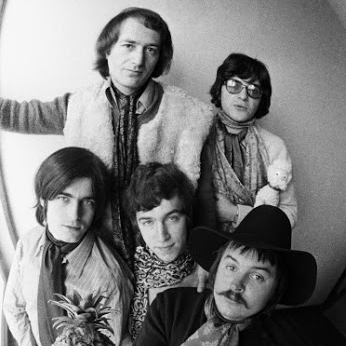
 View Artist