Song Meaning
The lyrics paint a vivid picture of a primal, unburdened existence, starting with the assertion "Taky jsem se narodil bos" (I was also born barefoot). This isn't just about lacking shoes; it suggests a state of natural innocence and simplicity, a time before the complexities and constraints of adult life set in. The narrator recalls a childhood spent "bosky šlapal jíl" (walking barefoot in the mud) and stealing plums, unbothered by stings, finding contentment with simple things like a "chrást" (pile of leaves) for a pillow. This early stage is described as having "Tisíc krás" (a thousand beauties), a time of pure, unadulterated experience.
The central tension emerges with the arrival of "mráz, jak šel z hor" (frost, as it came from the mountains), which "Obul nás do bačkor" (put us into slippers). This metaphorical frost represents the inevitable passage of time and the imposition of societal norms, responsibilities, and perhaps even disillusionment. The carefree barefoot days are replaced by the necessity of "teplých bot" (warm boots), signifying a loss of that initial freedom and a forced conformity. The narrator laments this transition, questioning why this change had to occur and expressing a longing for the lost simplicity.
The most striking craft element is the persistent, almost incantatory repetition of the opening line, "Taky jsem se narodil bos," juxtaposed with the recurring image of the frost forcing on "bačkor." This contrast highlights the fundamental shift from a natural, uninhibited state to one of enforced convention. The lyrics suggest that this transition is universal, affecting everyone, as the narrator addresses the listener with "I ty přijmeš zákon teplých bot" (You too will accept the law of warm boots). The final, hesitant repetition of "Někde jsou, snad jsou..." (They are somewhere, maybe they are...) offers a glimmer of hope, a belief that those lost barefoot dreams might still exist, even if out of reach.
Ultimately, the effectiveness of these lyrics lies in their poignant portrayal of lost innocence and the bittersweet acknowledgment of life's inevitable march towards maturity and its accompanying compromises. The simple, almost childlike imagery of being born barefoot and the stark metaphor of frost imposing slippers create a powerful emotional resonance. It captures that universal ache for a simpler past, a time when the world felt boundless and unburdened by the weight of "warm boots."
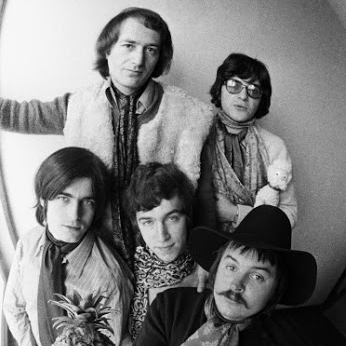
 View Artist